
Your skin can show signs of how healthy your intestine is. The enteric and skin are connected. They work together through things like enteric bacteria, the immune system, and hormones. This is called the “gut–skin axis.” When gut bacteria are out of balance, it can lead to skin problems. These may include acne, psoriasis, or atopic dermatitis.

Some enteric bacteria break down fiber from food. This makes short-chain fatty acids (SCFAs) like butyrate. These SCFAs help reduce inflammation. For example, butyrate helps certain immune cells called Treg cells. These cells help calm the body’s reaction and stop skin problems like atopic dermatitis from getting worse.
But some harmful bacteria, like gram-negative bacteria, make something called lipopolysaccharides (LPS). LPS can get into the blood. After that, it can reach the skin and make inflammation worse. This can lead to more acne or psoriasis.
Studies show that people with acne often have less Bacteroides and more Proteobacteria in their enteric. Taking Lactobacillus and Bifidobacterium for 12 weeks can help. It can make acne 40% less severe.
Children with atopic dermatitis often don’t have enough Bifidobacteria in their gut. If babies take Lactobacillus rhamnosus GG, they may have a 20% lower chance of getting this skin problem later.
Gut–Endocrine Axis: The Regulatory Center of Metabolic Balance
The enteric sends signals to other organs in the body. It can talk to the pancreas and thyroid. This is known as the “gut–endocrine axis.” Gut bacteria make things like SCFAs and bile acids. These can affect how the body uses insulin. They can also change hormone levels and body weight.
People who are overweight often have more Firmicutes and fewer Bacteroidetes. This type of bacteria mix helps the body take in more energy from food.Conversely, a high-fiber diet that increases SCFA production can lead to a 5 kg weight reduction and a 4 cm decrease in waist circumference.
Type 2 diabetes patients often lack butyrate-producing bacteria. Supplementing Akkermansia for three months can improve insulin sensitivity by 30%.
Polycystic ovary syndrome (PCOS) is also linked to intestine dysbiosis. A decrease in Bacteroidetes is closely associated with hyperandrogenism. Probiotic supplementation can lower testosterone levels by 20% and help regulate menstrual cycles. Modulating the intestine microbiome is becoming a new intervention target for metabolic diseases.
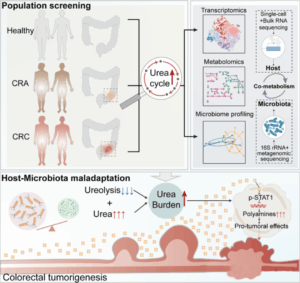
Gut-Brain Axis: The Invisible Hand Behind Emotion and Cognition
Calling the intestine the “second brain” is no exaggeration. The “gut-brain axis” connects the intestine and brain via the vagus nerve, microbial metabolites, and immune pathways.
The intestine produces 95% of the body’s serotonin. SCFAs can cross the blood-brain barrier and promote the release of brain-derived neurotrophic factor (BDNF), improving cognition. On the flip side, a leaky intestine allows LPS into the bloodstream, which may activate microglia and trigger neuroinflammation, contributing to Alzheimer’s disease.
Depressed individuals often show decreased Prevotella and increased Enterococcus. Supplementing Lactobacillus plantarum PS128 for 8 weeks can reduce Hamilton Depression Rating Scale scores by 35%.
Early symptoms of Parkinson’s disease — like constipation — are also linked to reduced Akkermansia in the gut. Taking care of your intestine might be the key to protecting both mood and mind.
Other Gut Axes: A Coordinated Network for Whole-Body Health
The gut’s influence doesn’t stop there:
- Gut-Kidney Axis: Toxin production and excretion are interconnected. Butyrate supplementation can reduce serum creatinine by 15% in chronic kidney disease patients.
- Gut-Lung Axis: SCFAs can suppress lung inflammation. Low microbial diversity in early childhood is linked to a significantly increased risk of asthma.
- Gut-Bone Axis: SCFAs promote osteoblast activity. A high-fiber diet can reduce hip fracture risk in elderly women by 30%.
- Gut-Heart Axis: intestinemicrobial metabolite TMAO increases cardiovascular risk, whereas fiber-induced SCFAs help regulate blood pressure.
- From immune defense and emotional regulation to metabolism and skin health, the intestine functions as a “central hub,” managing systemic health through its numerous “axes.”
- Protecting the diversity of intestinemicrobiota — by increasing fiber intake, consuming fermented foods, and appropriately supplementing probiotics — may be the simplest yet most effective way to maintain health. After all, when the gut is well, the whole body thrives.
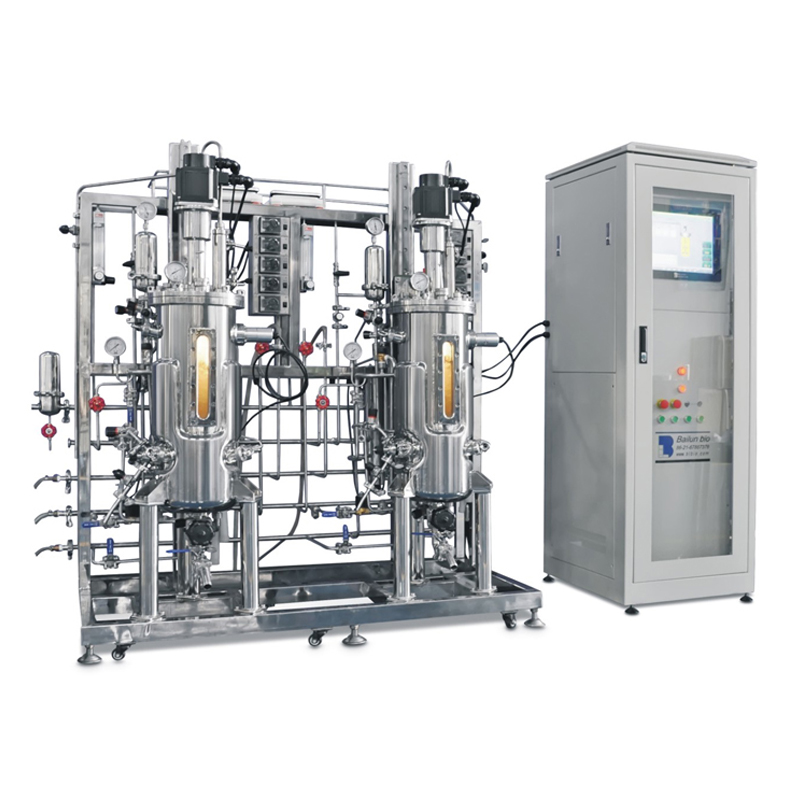
50L-SJL-2 Stainless steel bioreactor
About Bailun
Bailun FermentorChina has extensive experience in manufacturing various types of bioreactors and pressure vessels. Backed by a team of experts in bioreaction engineering, fermentation technology, mechanical manufacturing, and automation control, we remain at the forefront of both domestic and international innovation. Our commitment is to provide you with safe, reliable, and worry-free product solutions. Contact us