
Biotechnology refers to that aspect of technology that is capable of innovation, high-level engineering and it highly emphasizes on enhancing more effective and greener products. A technological revolution that will be achieved by implementing the technology of the catalyst fermentation system, which is a hybridization between the traditional fermentation process and a high-tech catalytic process.

This document will explore the following questions:
- What is a catalyst fermentation system? We are going to present this technology and the associated principles, compare it with conventional fermentation and strictly catalytic methods. It will involve an explanation of the kind of catalysts used and their individual contributions towards the efficiency of fermentation.
- How does a this system work? The mechanisms of operation will be so elaborated, including the development of the combination of catalytic processes and biological processes. It will entail reviewing how enzymes, microorganisms and catalysts interact and how they are optimized to give high productivity and yield.
- Why is the this fermentation system gaining importance globally? We shall discuss the economic, environmental, and society-related advantages of its adoption to different industries. This will also involve determining its uses in various industrial fields including pharmaceutical industries, biofuels and food manufacturing and comparing it to the available prior technologies in the aspect of cost efficiency, sustainability and potential scale. This will also discuss the possible drawbacks and constraints of the broader implications of the adoption of the technology.
This report will give a detailed review of the these and also its main components, its working principles and the increased importance in the world of biotechnology.
What is a Catalyst Fermentation System?
It explains a process that is a combination between the biological forces of fermentation and chemical catalysis. In conventional systems, fermentation is simply based on the growth of microorganisms such as bacteria, fungi or yeast to transform nutrients into products of worth. What though we could sharpen these natural channels with chemistry catagistics? That’s exactly what a catalyst fermentation system does, it integrates catalysts (enzymatic or non-biological) into fermentation systems to improve reaction rates, yields, and product diversity.
Such a system may have a varying appearance on the basis of industry and application:
- Adding metal catalysts to boost specific conversion steps
- Using immobilized enzymes as catalytic agents
- Devising bioreactors with the occurrence of both chemical and biological catalysis simultaneously
These systems have such immense potential since they mix the selectivity of biology with the speed of chemistry.

Why Use a Catalyst Fermentation System?
Ever thought of why the industries combine chemistry and biology rather than opting to do one or the other? Here’s why:
- Bulked up reaction workings:Chemical catalysts may shorten procedures that are performed gradually by microbes.
- Improved product specificity:efficient catalysts can direct fermentation to wanted end products and minimise by-products.
- Increased production:Two techniques are helpful in getting more value out of one piece of raw material.
- New products:Some of the chemicals cannot be created biologically by themselves but they are created when catalysts are added.
The use of this system is equivalent to providing your fermentation process with a turbo power and the biological accurateness.
How Does a Catalyst Fermentation System Work?
Let us make it a step by step process so that it gets clear as to where the catalysts come in when it comes to fermentation:
Step 1: Substrate preparation
Pre-treatments are carried out on raw material such as glucose, starch biomass in favour of accessing sugars.
Step 2: Microbial fermentation
Microorganisms transform sugars into the intermediate products like organic acids, alcohols, or ketones.
Step 3: Catalytic conversion
The intermediate is converted to specific products more effectively by a catalyst: a metal nanoparticle, an acid, or an immobilized enzyme.
Step 4: Product recovery
Products are extracted, purified, and refined for commercial use.
With such steps integrated, a catalyst fermentation setup manages processes efficiently and makes it profitable.
Applications in Biotechnology
The applications of catalyst fermentation systems are very versatile as they are used by industries in a large number of ways. They play a vital role in the manufacture of biofuels and aid in the transformation of organic substances to bio ethanol or biodiesel, which will reduce dependency on fossil fuel. Also, they are very useful in food and beverage industry especially during the fermentation process such as in production of beverages such as beer, wine and yogurts whereby a certain type of catalyst increases the flavor and the texture.
Also, these fermentation systems play a role in pharmaceuticals in making active ingredients, and this makes the manufacturing process effective and sustainable. They are also becoming popular in waste management whereby they facilitate decomposition of organic waste into useful byproducts, one of which is biogas. The range of industries that this can be applied to is indicative of the importance this system has as far as developing economic and environment friendly sustainability is concerned.
- Biofuels:Converting lignocellulosic biomass to ethanol or advanced biofuels
- Bioplastics:manufacture of monomers such as lactic acid or succinic acid, and subsequent upgrade to polymers by means of chemical processing
- Pharmaceuticals:Making complex drug precursors or active ingredients
- Food Industry:Enhancing flavors, sweeteners, and nutraceuticals
- Green Chemistry:Using renewable feedstocks instead of fossil fuels
A combination of catalysts and fermentation has all the best of two worlds-sustainability and efficiency.
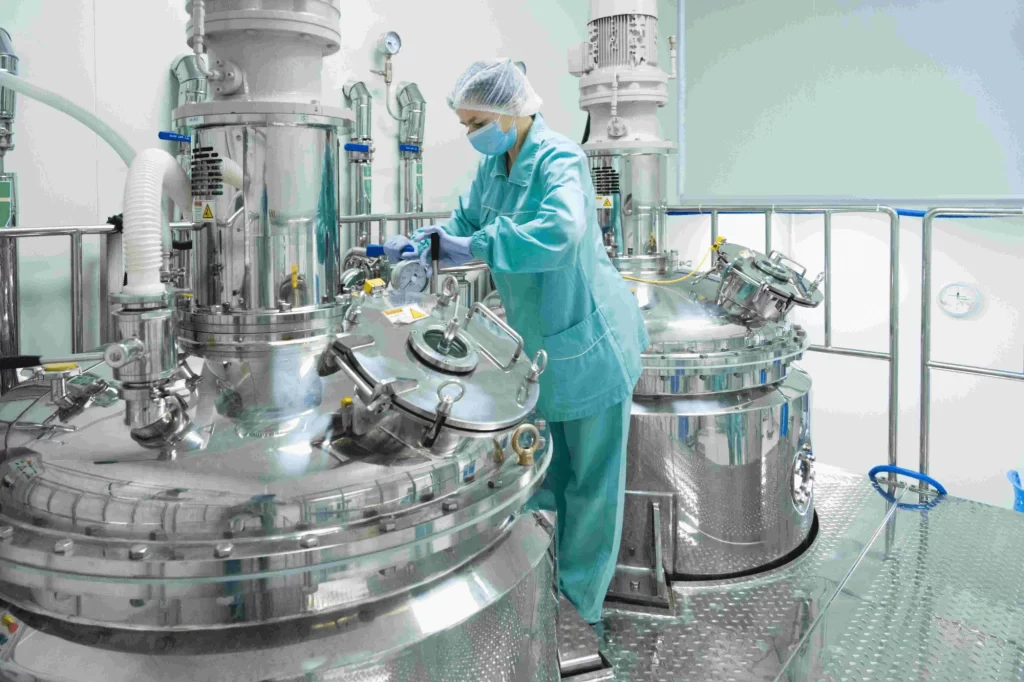
Types of Catalysts Used
When we say “catalyst,” what do we mean? There are a few types of catalysts fermentation system:
- Enzyme catalysts:These are products of cells or introduced in an external form; they are highly specific and bio-degradable.
- Metal catalysts:Noble or common metals such as palladium, nickel or platinum which accelerate reactions.
- Acid/base catalysts:are commonly used in down-stream processing to either adjust pH or drive a process.
- Immobilized catalysts:Enzymes or chemicals anchored on a base to be able to use them without much feedback.
The choice depends on factors like:
- Type of product
- Sensitivity of microorganisms
- Process temperature and pH
- Cost and scalability
Choosing the right catalyst is an art and science.
Advantages of Catalyst Fermentation Systems
Why are more companies investing in these systems? Here are some clear benefits:
- Faster production:Chemical catalysis complements slow biological steps.
- Lower costs:Higher yields reduce raw material consumption.
- Cleaner products:Fewer impurities simplify purification.
- Sustainable feedstocks:Replace oil-based production with renewable resources.
- Product diversity:Make molecules biology alone can’t.
These savings are capable of translating to millions saved per year at industrial level.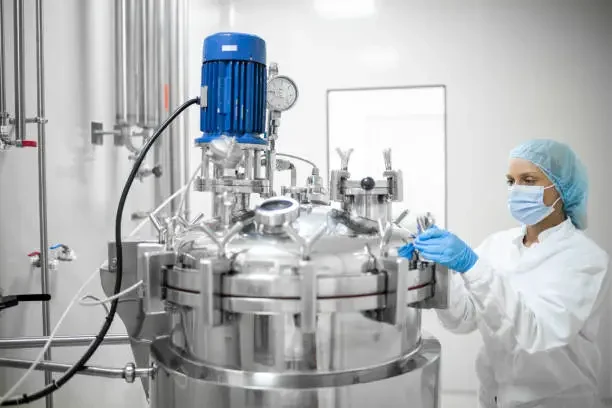
Challenges and Considerations
Naturally, combining chemical catalysis with fermentation does not come free of challenges:
- Compatibility:Catalysts might inhibit or harm microorganisms.
- Stability:Certain catalysts get dilapidated with time, particularly in a biological environment.
- Cost:High-quality catalysts can be expensive.
- Recovery:It may be complicated to extract the catalysts in end products.
- Design of the process:Using both chemical and biological operations in the same reactor requires a lot of control.
Overcoming these challenges requires careful engineering and process design.
Examples of Real-World Catalyst Fermentation Systems
To bring this more down to earth, we shall observe real industrial applications:
- Bioethanol:Hydrolysing of cellulose to sugars, with the help of acid catalyst followed by fermenting with yeast.
- Bioplastics:Converting sugars to lactic acid, which is after that polymerised using metal catalysts into PLA.
- Amino acids:They are made as intermediates biologically and altered, chemically, into specialty amino acids.
Each case shows the power of hybrid systems.
Future of Catalyst Fermentation Systems
What’s next for this field? Several exciting directions:
- Nano-catalysts:Increasing surface area and reactivity.
- AI optimization:Where adjusting the host conditions in real time are used with machine learning.
- Synthetic biology:Design of bacteria to make alternative intermediates by synthesis that are more fuel-like intermediates and are more convertible to fuel through catalysis.
- Circular economy:Designing systems to recycle catalysts and by-products.
These trends promise greener, smarter manufacturing.
Integration with Bioreactors
Have you thought about where the catalyst goes? Options include:
- Separate reactor:Fermentation and catalysis occur sequentially.
- Single vessel:Catalysts coexist with microbes.
- Membrane reactors:The microbes are separated to the catalysts in a micro observer manner permitting flow of products.
Choosing depends on:
- Sensitivity of organisms
- Type of catalyst
- Target product
The aspect of designing this integration is significant in the engineering of processes.
Sustainability Benefits
Beyond profits, catalyst fermentation systems help the planet:
- Lower energy consumption
- Reduced chemical waste
- Using renewable biomass
- Biodegradable end products
The latter are aligned with UN Sustainable Development Goals and ESG commitments by a corporation.
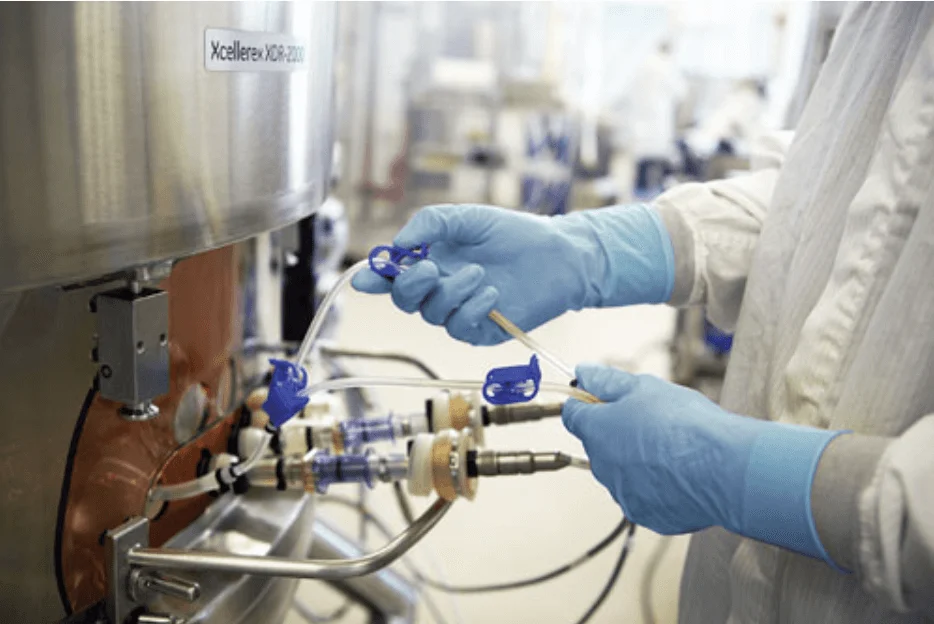
Economic Impact
Industries using system of catalyst fermentation systems see:
- Shorter time to market
- Lower capital expenditure
- Higher profit margins
Speed is money, in particular fast-developing industries such as bioplastics and specialty chemicals.
Conclusion
The catalyst fermentation system is more than a technical label, it is a model of what modern biotechnology offers because of the synergy of biology and chemistry. It promises to be more green production, shorter schedules, and unconventional products that revolutionize industries.
Want to explore fermentation systems for your next project? Visit BaiLun Bio today and see how your ideas can become reality!
Frequently Asked Questions
What is a catalyst fermentation system?
A hybrid process combining microbial fermentation with chemical catalysis.
Why combine fermentation and catalysis?
In order to accelerate reactions, enhance production and make innovative products.
Are catalysts always metals?
No; they can be enzymes, acids, or immobilized agents.
Is this process sustainable?
Yes; it uses renewable feedstocks and often cuts waste.
Which industries benefit?
Biofuels, bioplastics, pharmaceuticals, food, and specialty chemicals.
 English
  简体中文
简体中文  Español
  Русский