
Understanding how microorganisms break down lactose isn’t just a curiosity, it’s a gateway into powerful innovations in biotechnology, dairy processing, pharmaceuticals, and even waste management. The core of this process comes in the form of lactose fermenter which is a tool that has helped scientists and industry professionals to transform milk sugar into profitable end-products through microbial fermentation.
But what exactly is a lactose fermenter? How does it work? And why it is gaining more and more popularity in contemporary bio-industrial installations?
The procurement entails all you should understand about; the rationale of lactose fermentation, the design, operation, uses and industrial applicability of this fermenter in biotechnology.
Let’s dive in.
What is a Lactose Fermenter?

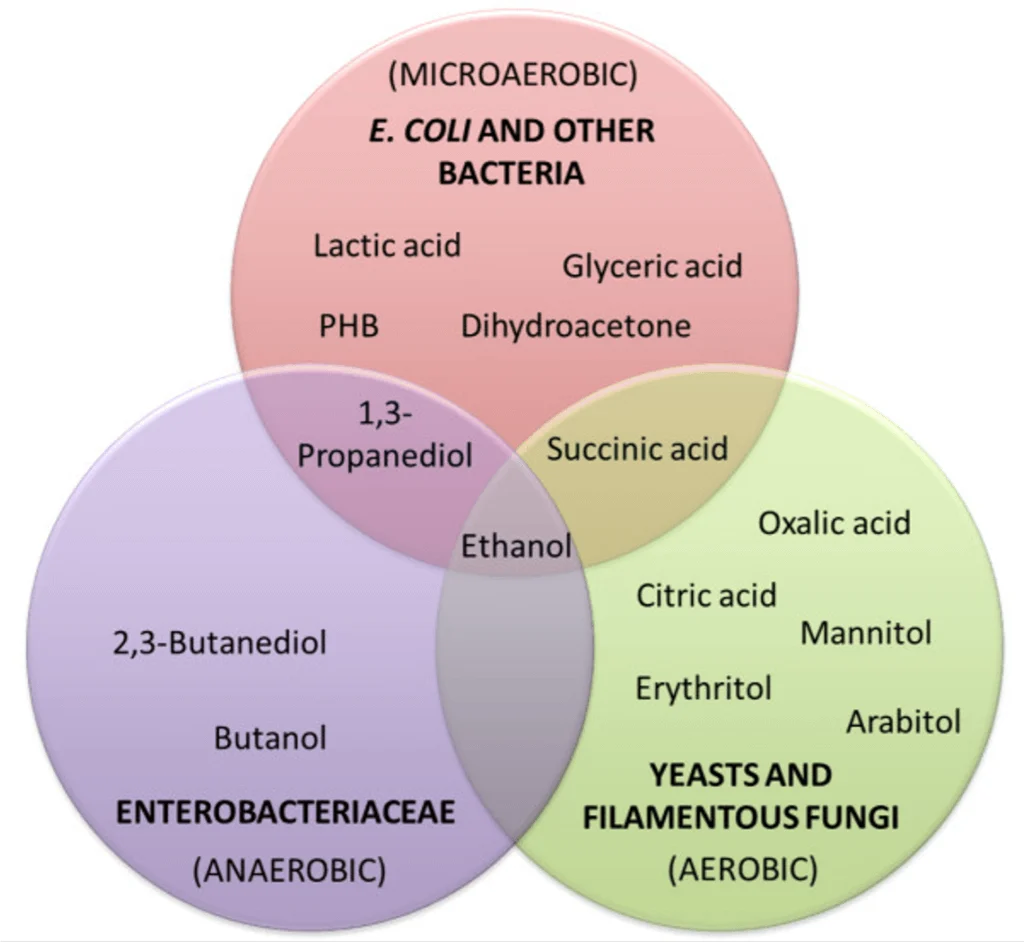
A lactose fermenter is a specialized bioreactor to grow microorganisms that ferment lactose-more popularly called milk sugar. Such fermenters provide an ideal condition to a particular type of bacteria or yeast to bio-convert lactose into relevant metabolic products including lactic acid, ethanol, and short-chain fatty acids.
Unlike general-purpose fermenters, this fermenter is fine-tuned for:
- High carbohydrate (sugar) concentrations
- Optimal temperature and pH ranges for lactose-utilizing microbes
- Monitoring lactose conversion efficiency
- Collecting specific fermentation by-products
Dairy waste and in particular whey is a rich source of lactose as a disaccharide consisting of the glucose and galactose molecules. Through the utilization of its energy potential, the industries can monetize what used to be perceived as waste.
Curious to know which microorganisms are typically used? Let’s look at that next.
Microorganisms Used in Lactose Fermentation
A lactose fermenter typically supports the growth of select microbial strains that possess the enzyme β-galactosidase (lactase), which hydrolyzes lactose into glucose and galactose. Metabolism of these simple sugars is then utilized by glycolysis or other related fermentation steps.
Common microorganisms include:
- Lactobacillus spp. –Used for lactic acid production
- Escherichia coli (engineered strains) –Used in biotechnology and synthetic biology
- Saccharomyces cerevisiae –Engineered for ethanol production from lactose
- Kluyveromyces marxianus-A native lactose fermenter which is commonly applied in dairy fermentation
- Streptococcus thermophiles –Used in yogurt and cheese fermentations
Selection depends on:
- Desired end-product (lactic acid, ethanol, etc.)
- Fermentation conditions (temperature, oxygen, time)
- Nutrient availability
- Tolerance to end-product inhibition
Suppose you want high conversions and high yields or particular co-products such as vitamins or enzymes. Different microbes perform differently in various these kind of fermenter settings.
Design Features
A properly optimized lactose fermenter is much like a regular stirred tank bioreactor, in many details of its design, but with specific alterations that look to promote lactose consumption and product formation.
Core components:
- Agitator:Ensures uniform mixing of lactose and microbial culture.
- Temperature Control Jacket:Maintains the optimal fermentation temperature.
- pH Control System:The acidity is regulated by the addition of acid/base to aid microbial activity.
- Aeration Ports:For oxygen supply in aerobic fermentations.
- Sampling Port:Enables taking broth without use that pollutes the system.
- Sensors:Sensor to measure lactose concentration, pH, temperature and dissolved oxygen.
Specialized features for lactose:
- Addition of lactose-rich whey permeate or synthetic lactose medium
- Enhanced cooling systems for thermophilic microbes
- Foam control systems (due to lactose-rich media foaming easily)
- Anti-fouling coatings if continuous operation is needed
These fermenters with modern automation have the capability to be in batch, fed-batch, or continuous fermenters with real-time control and data commands.
Types of Lactose Fermentation

Depending on the requirement of oxygen and end- products profile, lactose fermentation can be differentiated.
Based on oxygen availability:
- Aerobic Fermentation:Used when cell growth is the goal (e.g., biomass for probiotics).
- Anaerobic Fermentation:It is utilized in cases where the products of interests include lactic acid or ethanol.
Based on the fermentation process:
- Homolactic Fermentation:Produces mostly lactic acid (e.g., Lactobacillus).
- Heterolactic Fermentation:Produces lactic acid, CO₂, ethanol/acetic acid.
- Alcoholic Fermentation:Converts lactose into ethanol using engineered yeast.
All these kinds dictate how this fermenter will be assembled and how it will work. As an example, alcoholic fermentation may involve airtight containers with ethanol condensing systems, whereas lactic acid proliferation may need vigorous pH and temperature regulation.
Industrial Applications
This kind of fermenter has become an essential element of contemporary biotech-related industries as there is a growing demand of sustainable and value-added products. Lactose is a low-cost substrate mostly obtained as by-products of dairy such as whey and applied in a variety of industrial products employed in pharmaceutical to biofuel applications.
Key industries leveraging lactose fermentation:
Dairy Industry
Using Converts allows the conversion of whey waste into lactic acid thus minimizing environmental pollution and returning a by-product as an income. Fermentation is used in the yogurt and kefir production as well as cheese production as a means of developing taste, texture and shelf life.
Pharmaceuticals
A lactic acid manufacturer of other metabolites, which find use in drug manufacturing, probiotics as well as nutraceuticals. Lactate made by fermentation is a significant ingredient in intravenous fluids and potable pills.
Food & Beverage
The lactose that is fermented enhances flavor, shelf-life as well as digestibility among the lactose intolerant people. Fermented milk products also have higher probiotic value.
Biofuels
Genetically engineered microorganisms are used in lactose fermentation to produce ethanol or butanol. This has growing relevance in green energy sectors.
Bioplastics
Lactic acid obtained from a lactose fermenter is polymerized to produce PLA (polylactic acid), a biodegradable plastic alternative.
Wastewater Treatment
The treatment of the dairy waste water is performed through microbial fermentation which reduces the level of the COD and BOD, transforming the harmful waste into a source of bio-energy or usable nutrients.
The lactose fermentation is the win-win process, as it has two sides: the waste control and the profit creation. With the growth of circular economy practices, the role of these fermenters will only increase.
Challenges and Limitations
Although this fermenter has a major advantage it is not devoid of its difficulties. These drawbacks may be reflected in the scale, performance, or the predictability of products unless it is well handled.
Common issues include:
Substrate Inhibition
Lactose may cause osmotic pressure or inhibition to some strains when their concentration is high.
End-Product Inhibition
Fermentation can be prematurely halted when the accumulation of lactic acid or ethanol can reduce the pH, or inhibit the activity of the enzymes.
Foaming
In aerobic conditions, whey-based media or those that contain larger lactose content have tendencies of excessive foaming. Foam control agents or mechanical breakers are essential.
Contamination Risk
Dairy-based substrates support unwanted microbial growth. Proper sterilization and aseptic techniques are critical.
Sensor Fouling
The sensor may get coated or interfered with by complicated fermentation broth, thus giving the wrong results.
Variable Feedstock Quality
There is a possibility of non-uniformity in the lactose content of industrial whey or dairy waste that will disturb the reproducibility of fermentation.
All these challenges are manageable and most of these impacts can be eliminated either through process design controls. By way of example the introduction of online sensors to detect acid build up or in-line filtration systems can have a devastating effect on operations stability.
Future Prospects of Lactose Fermentation in Biotechnology
The future of lactose fermenters is bright as the demand of sustainable products and the availability of lactose across the world via dairy wastes rises.
Emerging trends:
CRISPR-Engineered Microorganisms
Custom-designed microbes can ferment lactose more efficiently and produce higher-value compounds like succinic acid, polyhydroxyalkanoates (PHAs), or pharmaceutical intermediates.
Modular Fermenter Designs
Automated, portable systems which are ideal in small dairies or research and development laboratories are becoming popular.
AI-Driven Fermentation Control
Using machine learning models, it is possible to know what the best fermentation conditions should be and identify anomalies on time.
Integration with Downstream Processing
Continuous fermentation is made more possible by inline extraction and purification units.
Zero-Waste Bio refineries
Coupling lactose fermenters to other bio-refineries to help generate energy, fertilizers and chemicals using the same feedstock.
With the strictening of laws regarding disposal of waste and the increasing consumer demand on the environmentally friendly products the role of this fermenter in his strategic planning will continue to grow.
Conclusion
The fermenter of lactose is at the cross roads of biotechnology, sustainability and innovation. It converts waste to wealth, stimulates drug and food manufacturers, and benefits a greener earth. And now, not only is lactose becoming digestible, thanks to this technology, but it is becoming essential as well; from the small scale dairy farms to the large-scale bio manufacturing facilities.
Ready to bring precision fermentation to your biotech workflow? Visit BaiLun Bio and find state of the art lactose fermenter systems to improve your business productivity sustainably today.
FAQs
What is a lactose fermenter?
Lactose fermenter a bio-reactor that can facilitate the bacterial digestion of lactose to value-added commodities such as lactic acid, ethanol and bio-plastics.
Which microbes are used in lactose fermentation?
Common microbes include Lactobacillus, Kluyveromyces, Saccharomyces cerevisiae (engineered), and Streptococcus thermophiles.
Can these kind of fermenters use dairy waste like whey?
Well, whey is a good and cheap source of lactose fermentation in the manufacturing processes.
Is lactose fermentation aerobic or anaerobic?
It can be both. The lactic acid fermentation is normally anaerobic whereas cell biomass generation is pure air.
What products are made from lactose fermentation?
Lactic acid, ethanol, probiotics biomass, short-chain fatty acids, bioplastics and even enzymes.
Are lactose fermenters environmentally friendly?
Yes. They are useful to transform dairy waste into commodities and to utilize less carbon process in industries.
 English
  简体中文
简体中文  Español
  Русский