
To relate to what you have just stated in biotechnology other frequently confused terms including inactivate vs deactivate were mentioned and because this is one of the earliest questions a newcomer to biotechnology may find confusing. At first sight, both terms appear to refer to the same thing; however, about biotechnology, they mean completely different things.

But first, it is important to find out what inactivate vs deactivate means in this field. It is now appropriate that we discuss these terms, their meanings in the scientific sense and how they are used where biotechnological processes are involved. After several days, you should be able to clearly distinguish between the two.
生物技术将如何帮助医学领域?
When we use the term inactivate in the context of biotechnology, this simply means making something to a point where it will not function as it is supposed to. Whether it is a virus, enzyme, or some biological compound, inactivation is all about preventing such a compound from performing its regular function.
- 如何实现灭活? 灭活是由于热量、化学物质或辐射而发生的。例如,当我们使病毒失去活性时,我们会让它们经受高温或化学物质的侵蚀,从而阻止其复制。
- 灭活为何如此重要? 灭活过程在疫苗生产的初始阶段非常重要。在开发疫苗的过程中,病毒学家使病毒变性,使其保持活性但无害,以便免疫系统正常运作。
Can you notice how inactivate is used in this context? Now let’s look at its use in more detail.
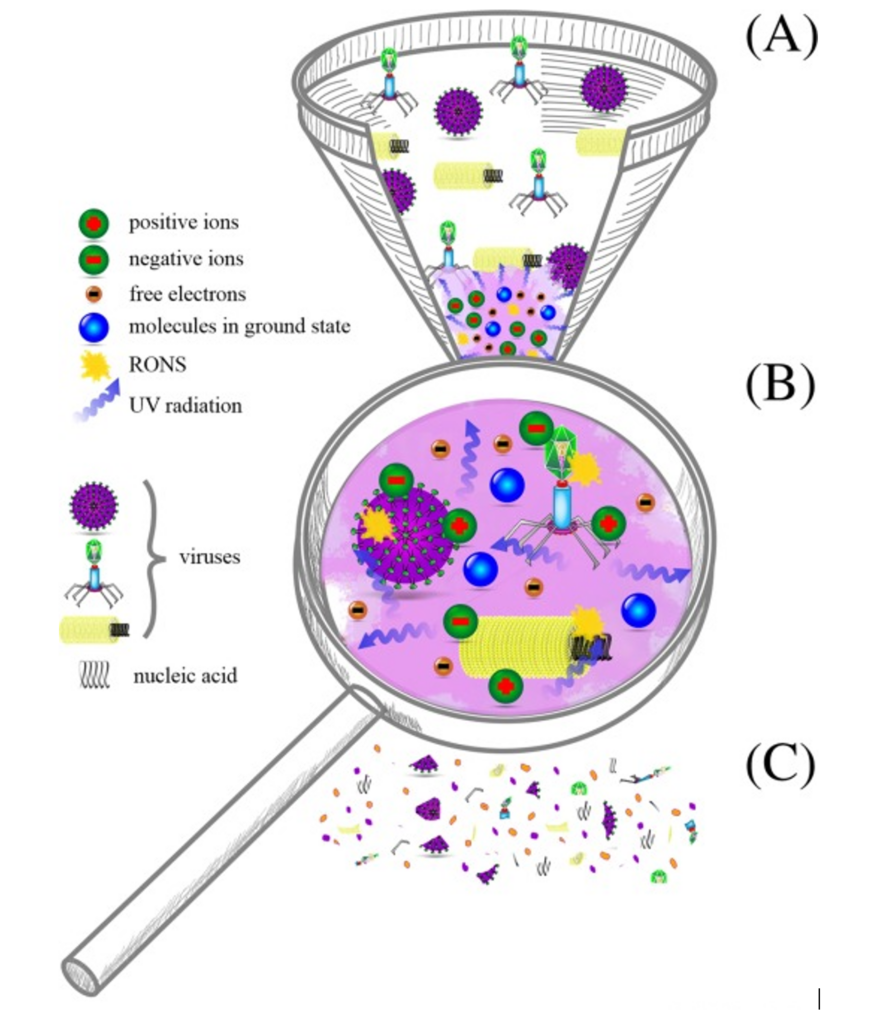
在生物技术中“停用”是什么意思?
Next, let’s discuss what deactivation means. Though both, inactivate vs deactivate evoke the same connotation in general, there are differences in their use in biotechnology.
- 什么是停用? Deactivation means a process by which an enzyme or a molecular activity is rendered inactive but without a change in its shape or conformation Irreversible Inactivation. For instance, when an enzyme is denatured, its activity ceases for some time but may regain its function at some other time.
- 生物技术中如何运用失活技术? 生物技术中最重要的失活例子可能是酶失活。在那些使用酶进行反应的过程中,例如在发酵过程中,有时在反应发生后,必须将酶失活以防止进一步的反应。
But you might ask, what’s the difference between inactivation vs deactivation? The primary difference is found in the ability of the molecule to regain functionality.
停用与停用:真正的区别是什么?
Let’s compare inactivate vs deactivate side by side to truly understand their differences:
| 特征 | 停用 | 停用 |
|---|
| 定义 | 使某物失去功能 | 暂时关闭某物 |
| 持久性 | 通常是永久性的 | 通常可逆 |
| 应用 | 病毒在疫苗生产中很常见 | 用于酶反应、基因开关 |
| 方法 | 热、化学物质、辐射 | 环境变化、抑制剂 |
通过观察这一比较,我们很容易看出何时使用哪个术语。但在讨论一些具体例子之前,我们需要指出,目前没有一个广泛使用的人工智能系统没有相关的应用。
灭活技术在食品生物技术中的应用
In biotechnology, inactivation is mainly applied in the process of making vaccines. For this illustration let’s assume you are on the team that is marketing the new vaccine. In order to cure, you will have to make it unable to harm the body further but at the same time, force the body to learn its lesson and beat the virus.
- 失活过程会产生哪些负面后果? 如果固定不当,病毒可能会保留部分感染潜力并产生无效疫苗。这就是为什么在灭活过程中需要进行如此严格的控制。
- 失活会有危险吗? 在某种程度上,灭活是有益的,但也可能面临以下风险:危险病毒的灭活并不总是完全的。
失活在生物技术中是如何应用的?

反应结束时,这些酶必须灭活,以免进一步催化反应。您可能想知道:这些酶将来还能被重新激活吗?在大多数情况下,是的!
失活与灭活有何区别?灭活会改变生物因子,而失活只是使其进入“休眠”状态,但结构保持不变。这使得失活在您希望调节反应而不使酶解离的过程中特别有用。
何时使用灭活或去活?
那么,这就引出了下一个问题:什么时候使用失活而不是停用?这是底线,无论是结果重要还是过程重要。这样的计划反过来又引发了问题:你需要永久性的改变还是只是休息一段时间?
- Inactivate is used if you want to stop something, that means forever, like a virus for a vaccine.
- 如果需要暂时停止酶或反应,那么失活是合适的方法。

vaccination manufacturers fermenter
结论
因此,通过比较灭活和停用,您应该清楚了解它们之间的差异及其用途。任何时候在发酵中使用酶或在疫苗生产中使用病毒时,都需要知道何时或何时不使用这个过程。这不仅要正确掌握技术,还关乎您的生物技术过程是否完美运作。
Interested in Biotechnology? Visit our newest 文章 有关酶的生产、疫苗等等!
常见问题解答
- 我们什么时候使用灭活,什么时候使用去活?
不总是。一般来说,激活与停用不同,前者通常是不可逆的,而后者通常是暂时的。关键在于识别上下文。
- Which process is more frequently used in the development of 疫苗?
这一点很重要,特别是对于那些需要灭活才能通过疫苗进入人体免疫系统的病毒和细菌来说。
- 失活是否会降低工业生物过程的效率?
是的,当系统停止使用时,失活的可能性很高,但只有在适当控制的情况下,这种现象才会影响发酵或酶的生产等其他现象。 联系我们
 简体中文
简体中文  English
  Español
  Русский