
Even the apparently simple equation for lactic acid fermentation is full of the twists and turns of biochemistry, evolution and biotechnology thousands of years in the making, and that today make industries run. Lactic acid fermentation is a process that is crucial in our everyday lives and the biotechnology industry, as it is the sweet taste of the yogurt and as the reason your muscles are sore after a sprint. Yet, what is exactly this process, why it is important, and how do we write an equation for lactic acid fermentation?

So, why don t we take a walk in this area of interest, step by step, in detail, and being able to always ask questions that turn this journey interesting and not obsolete.
Understanding the Basics of Lactic Acid Fermentation
Fermentation of lactic acid is fundamentally anaerobic which means, it is a process in absence of oxygen. In this process, certain microorganisms like lactic acid bacteria (LAB) convert sugars, especially glucose, into lactic acid. This maintains cellular energy productions even in the absence of oxygen.
Why do cells use this pathway? Due to the fact since without oxygen still the cells must synthesize NAD+ which is essential as a coenzyme in order to allow the glycolysis process to persist. The accumulation of NADH has to be balanced and turning the pyruvate into lactic acid does just that.
The traditional equation for lactic acid fermentation can usually look like this:
C₆H₁₂O₆ → 2 CH₃CHOHCOOH
Expressed in terms, glucose molecule is dismantled to two lactic acid molecules.
Simple, right? But there’s so much more when we dive deeper.
The Equation for Lactic Acid Fermentation Behind that is the Biochemical Pathway
In order to be able to appreciate the lactic acid fermentation equation, we should know what is going on within the cell.
Step 1: Glycolysis
Glucose (C₆H₁₂O₆) is broken down into two molecules of pyruvate, producing a net gain of two ATP and two NADH.
Step 2: Reduction
Pyruvate acts as an electron acceptor. Every NADH molecule is known to transfer electrons, whereby, reducing pyruvate to lactic acid.
Result:
NAD+ regenerates itself, the glycolysis can take place again and cells can live without air.
At this point, we have a clear idea of why the equation for lactic acid fermentation is crucial: it is not just synthesizing lactic acid, but instead keeping the cell alive in the event of limited oxygen.
Types of Lactic Acid Fermentation: Homolactic vs. Heterolactic
Do you know of the two major lactic acid fermentation types? Let’s explore:
Homolactic fermentation:
- Uses the Embden-Meyerhof-Parnas (EMP) pathway.
- Produces only lactic acid as the end product.
- Classic equation for lactic acid fermentation applies here: C₆H₁₂O₆ → 2 CH₃CHOHCOOH
Heterolactic fermentation:
- Uses the pentose phosphate pathway.
- Produces lactic acid along with ethanol and CO₂.
- The equation becomes more complex: C₆H₁₂O₆ → CH₃CHOHCOOH + C₂H₅OH + CO₂
Why the difference? It depends on the microorganism and its enzymes. Homolactic fermentation is more effective in terms of ATP produces but less versatile in products.
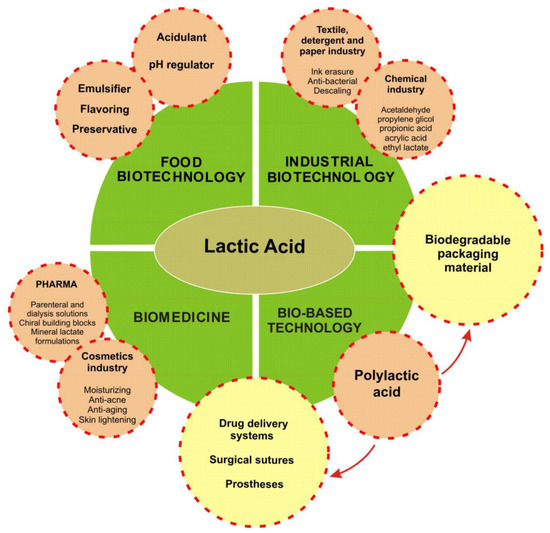
Industrial Applications and Why the Equation Matters
Lactic acid fermentation equation is not simply an academic woark, it supports multibillion dollar industries.
Food Industry
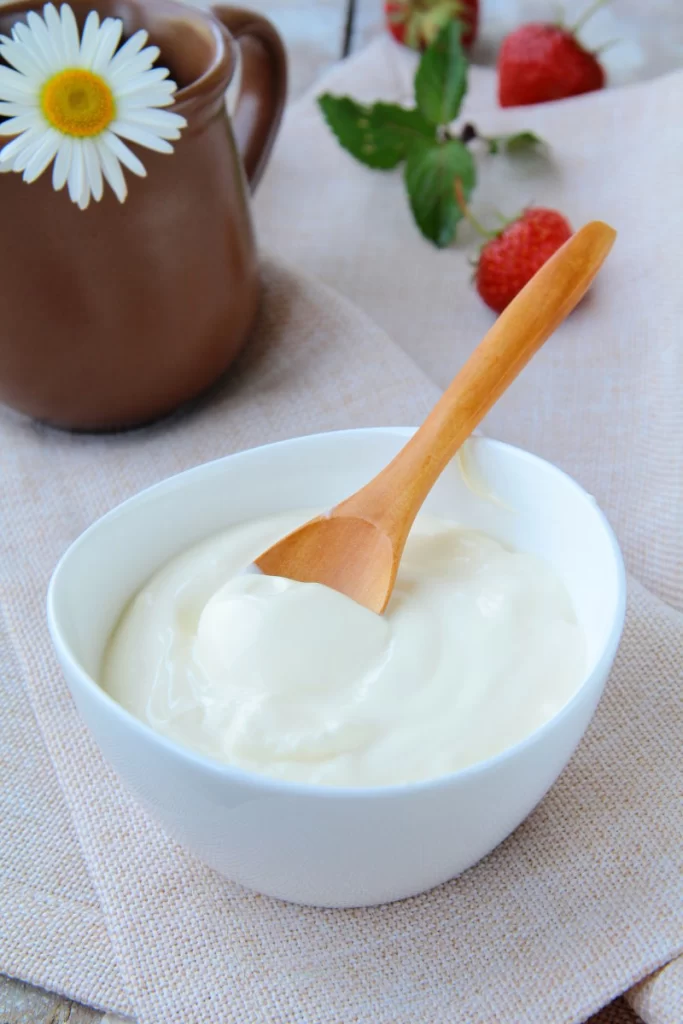
- Yogurt, cheese, kefir and pickles depend on LAB as the source to generate lactic acid.
- The acid lowers pH, preserves food, and develops flavor.
Bioplastic Production
- Lactic acid is polymerized into polylactic acid (PLA), a biodegradable plastic.
Pharmaceutical and Cosmetic Industries
- Lactic acid is a PH balancer, moisturizer and exfoliator.
Muscle Metabolism
- The temporary conversion of muscle cells to lactic acid fermentation permanently occurs in our body in high-intensity muscle creation activities.
The formula of lactic acid fermentation has actual applicability everywhere.

Factors Affecting Lactic Acid Fermentation
Is it ever struck your fancy why fermentation is not always successful or why it should be of a different taste? Let’s discuss the factors that influence the success and taste of fermented foods and beverages. There are certain major variables which may influence the results of the fermentation process, which results in inconsistency in the process and the end product. These include:
- Substrate type:Different sugars ferment at different rates.
- 温度:Optimal growth for LAB is usually 30–40°C.
- pH值:Acidic conditions help control contaminants.
- Oxygen availability:Strictly anaerobic vs. microaerophilic conditions.
- Inoculum density:A lower or a higher one can decelerate fermentation.
Knowing this assists both industries and home makers at being able to make consistent outcomes. Knowledge of such factors provides an insight into the variability that is observed in the fermentation results and therefore control and repeatability in the desired result can be achieved.
Comparing Lactic Acid Fermentation to Alcoholic Fermentation
Even though they are both anaerobic pathways, their products, as well as organisms, are different:
| 特征 | LACTIC ACID FERMENTATION | ALCOHOLIC FERMENTATION |
| Main product | 乳酸 | Ethanol & CO₂ |
| Organisms | LAB, muscle cells | Yeasts |
| Energy yield | 2 ATP | 2 ATP |
| By-products | Few | CO₂ bubbles |
| Uses | Dairy, pickling | Beer, wine, bread |
The lactic acid fermentation equation helps in keeping cells alive in silence and the alcoholic fermentation defines fizz to drinks.
Advanced Biotechnology: Engineered Fermentation
Now biotechnologists are tinkering with the actual equation of lactic acid fermentation itself to raise yield, or generate new compounds.
- Genetic engineering:Breed LAB to be more tolerant to low pH or high level of sugar.
- Co-cultures:Use multiple microorganisms to balance acid production.
- Continuous fermentation:Run cultures continuously in lieu of batch to get increased productivity.
Introduction of these innovations demonstrates that old things can be updated too.

Why the Equation for Lactic Acid Fermentation Is Sustainable?
The production equation of a lactic acid fermentation in this era of sustainability provides:
- Renewable feedstocks (corn, sugarcane, whey).
- Lower energy requirements compared to synthetic chemical routes.
- Biodegradable end products like PLA.
- That simple equation supports a greener future.
Challenges in Scaling Up Fermentation
While the equation seems straightforward, large-scale production isn’t:
- Contamination risk:Fermentation is sensitive to unwanted microbes.
- Product inhibition:The process may be slowed as a result of excessive lactic acid.
- Downstream processing:the purification of lactic acid may be complicated and expensive.
This is addressed by engineers who ensure that they optimize the design of the reactor, the control by the temperature and monitoring it in real time.
The Human Body and Lactic Acid
Not only in industry, but the equation of the lactic acid fermentation is in use also in our own bodies:
- With intense exercise the muscle cells use fermentation of lactic acid to obtain ATP.
- Lactic acid accumulates, contributing to fatigue.
- In other times, lactic acid via the Cori cycle is converted to glucose in the liver.
- It’s a temporary survival tool built into our biology.
Future of Lactic Acid Fermentation
Biotechnology is going further with equation of lactic acid fermentation:
- Metabolic engineering:Produce specialty lactic acids (e.g., D- or L- isomers).
- 合成生物学:Build designer microbes.
- AI优化:Monitor fermentation in real time.
Future fermentation systems may bring greater efficiency, more products, at increasing rate and with minimal waste.
结论
The lactic acid fermentation equation, which is apparently straightforward, cannot be understood without having a deeper knowledge of biology, chemistry and industrial biotechnology. This is the process that has formed the basis of food preservation methods used over thousands of years, to make the modern green plastics, and even the muscles in our own body works in a similar fashion.
A case in point is when lactic acid fermentation is used in making yogurt, sauerkraut and kimchi, playing the role of using naturally present microorganisms to break down sugars into lactic acid which preserves the food and adds taste to it.
Thanks to the creation of industrial biotechnology, this process has been made to be scaled up so that lactic acid could be created in great volumes to be used in extremely different applications, including biodegradable plastics and pharmaceuticals. Factors that need to be controlled accurately in the industrial fermenters include temperature, pH, and nutrient availability, which are the key steps of optimizing the production process and efficiency of lactic acid production.
Moreover, genetic engineering has also enabled an improvement of the lactic acid production ability of the microbial strains, making this very old process even green and more economically viable.
Want to learn more about industrial fermentation equipment? Visit 百伦生物 and discover solutions that bring ancient science into the future!
常见问题解答
What is the equation for lactic acid fermentation?
C₆H₁₂O₆ → 2 CH₃CHOHCOOH (one glucose becomes two lactic acids).
What organisms do lactic acid fermentation?
Lactic acid bacteria, some fungi, and muscle cells.
Is it anaerobic?
Yes, it occurs without oxygen.
Why do muscles produce lactic acid?
To keep producing ATP when oxygen is low.
Difference between homolactic and heterolactic?
Homolactic only produces lactic acid; heterolactic produces ethanol and CO 2 also.
Is lactic acid fermentation used in food?
Yes, in yogurt, cheese, sauerkraut, and pickles. 联系我们
 简体中文
简体中文  English
  Español
  Русский