
The biopharma industry is always under pressure—they need to speed up drug development, cut manufacturing costs, make better products, and follow stricter rules. Old-school process development uses big, slow, labor-heavy experiments.
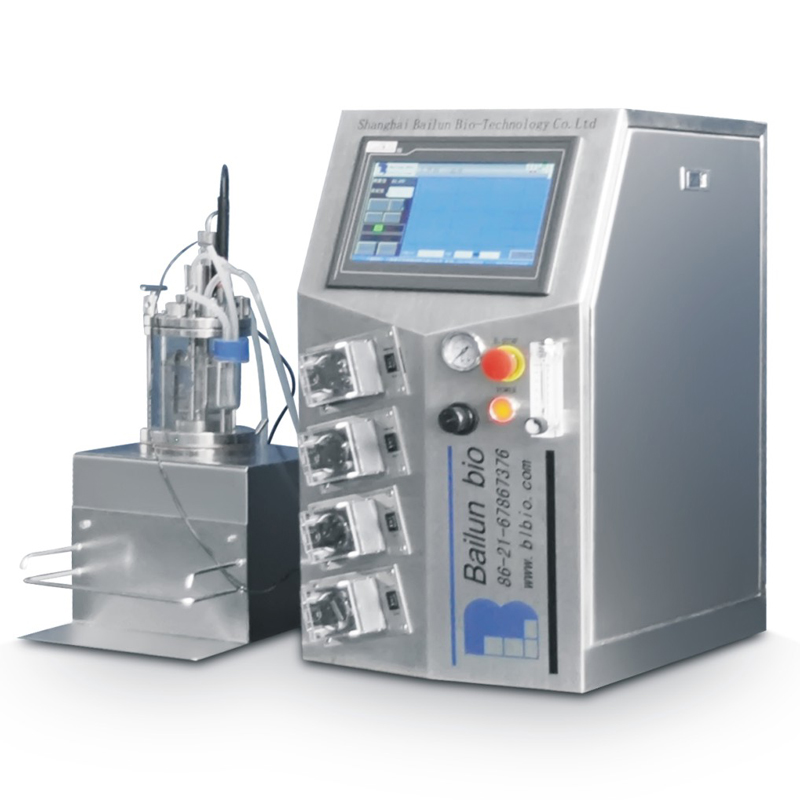
These are inefficient, waste a lot of resources, and take way too long. These methods just can’t keep up anymore, not with all the new pipeline products like monoclonal antibodies, recombinant proteins, and viral vectors coming out.
To fix these industry-wide problems, high-throughput process development has popped up as a game-changing approach. It’s bringing new ideas and better efficiency to how we design and tweak bioprocesses. More and more people in biomanufacturing around the world are seeing how valuable it is, and it’s only going to play a bigger role.
1.High-Throughput Upstream Process Development,High-Throughput Process Development
When it comes to bioprograms, how fast you can get things developed is make-or-break. Take traditional microbial fermentation work, for example—it often takes a whole month just to test 5 to 10 key parameters. Mammalian cell culture is even slower: the basic culture alone takes 10 days, and when you scale it up to optimize the process, it takes two to three times longer.
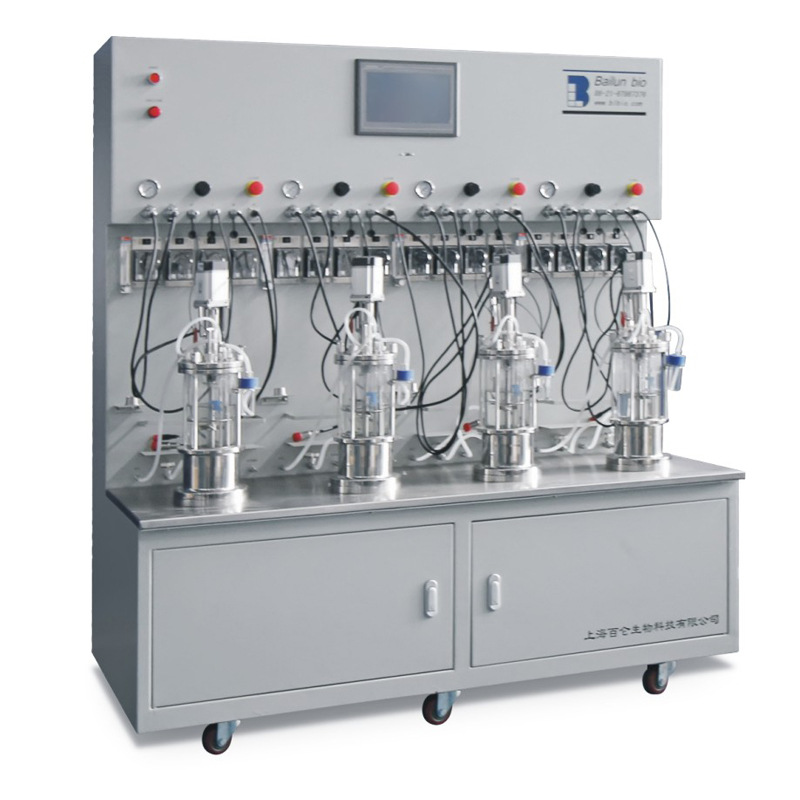
Building full-scale bioreactors for commercial cell culture? That can drag on for three to four months. All these long timelines push back project deadlines and make everything more expensive. With high-throughput process development, though, researchers can run hundreds of small-scale experiments at the same time. It cuts down development time a ton, and the data is still just as accurate and reliable.
There are lots of small-scale culture tools used in upstream work now—shake flasks, microtiter plates, spinning tubes, microfluidic bioreactors. The 24-well, 48-well, and 96-well plates are super common for picking clones, optimizing media, and low-VCD batch screening. But here’s the thing: microtiter plates don’t really mimic real bioreactor conditions that well. They’re mostly for early screening, so they aren’t enough to handle the whole complex workflow of high-throughput process development.
Microfluidic bioreactors hold between 5 and 700 mL, let you run a ton of tests in parallel, and have already worked well for making antibodies. Even so, they have flaws—like low oxygen transfer rates (though peristaltic oxygenation mixers help a little with that). They also can’t really support advanced feeding strategies, and they usually use optical sensors to check pH and dissolved oxygen. If you’re building a solid high-throughput platform, you have to think carefully about these technical limits.
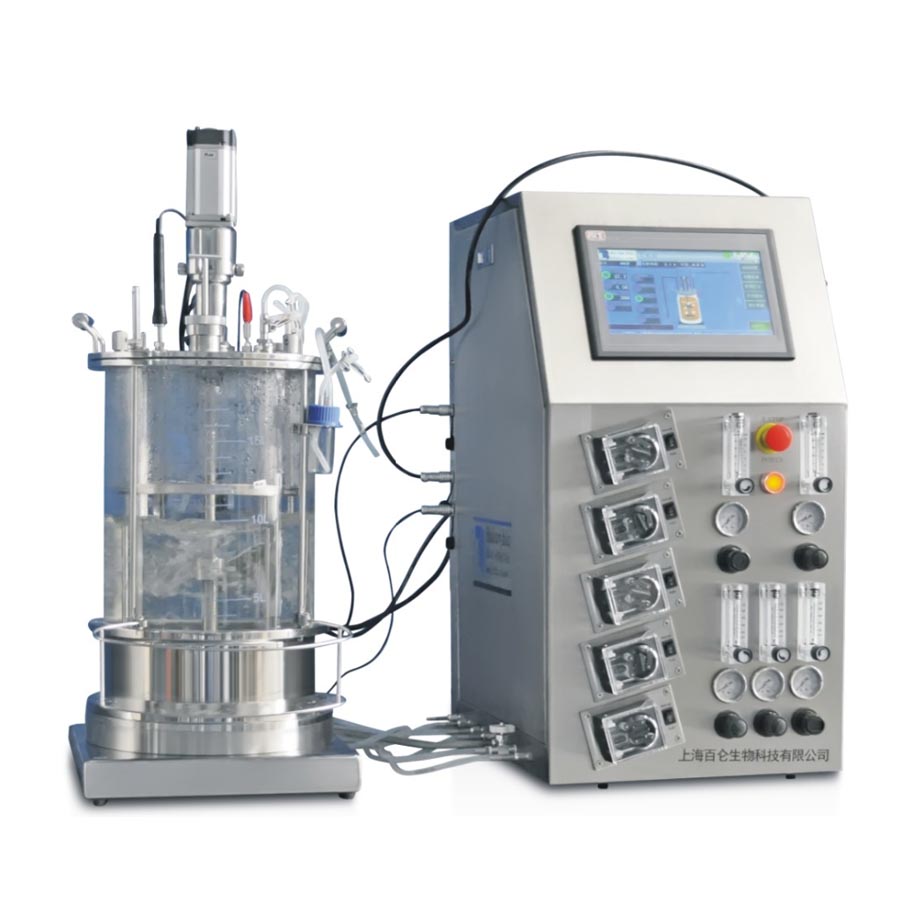
Different tools fit different jobs. Microtiter plates are quick and easy, but you can’t scale them up. Small-scale bioreactors act more like real industrial setups, so they’re used a lot in advanced high-throughput systems. They strike a good balance between speed, how well they represent real processes, and reliability.
2.High-Throughput Downstream Process Development,High-Throughput Process Development
Downstream development is all about purification—chromatography, filtration, polishing, that kind of stuff. Small downstream models have to copy large-scale manufacturing really well, otherwise the data won’t be useful or scalable. And out of all the steps, scaling up chromatography models is still the hardest and most important part of high-throughput downstream work.
Right now, there are three main setups used: microtiter plates, pre-packed pipette tips, and pre-filled mini-columns. Each one is good for different experiments, so you can use high-throughput methods flexibly. Plate and tip systems are usually for testing binding under semi-equilibrium conditions. Mini-columns work for lots of chromatography types, and if you pair them with multichannel liquid handlers, you can get even more throughput. Pre-filled tips let samples touch chromatography resin directly, making flow conditions similar to full-scale packed beds. When you use these with batch adsorption tests, they’re easier to run and speed up screening.
3.Challenges and What’s Next
High-throughput process development makes things way more efficient, but it creates new bottlenecks too—with au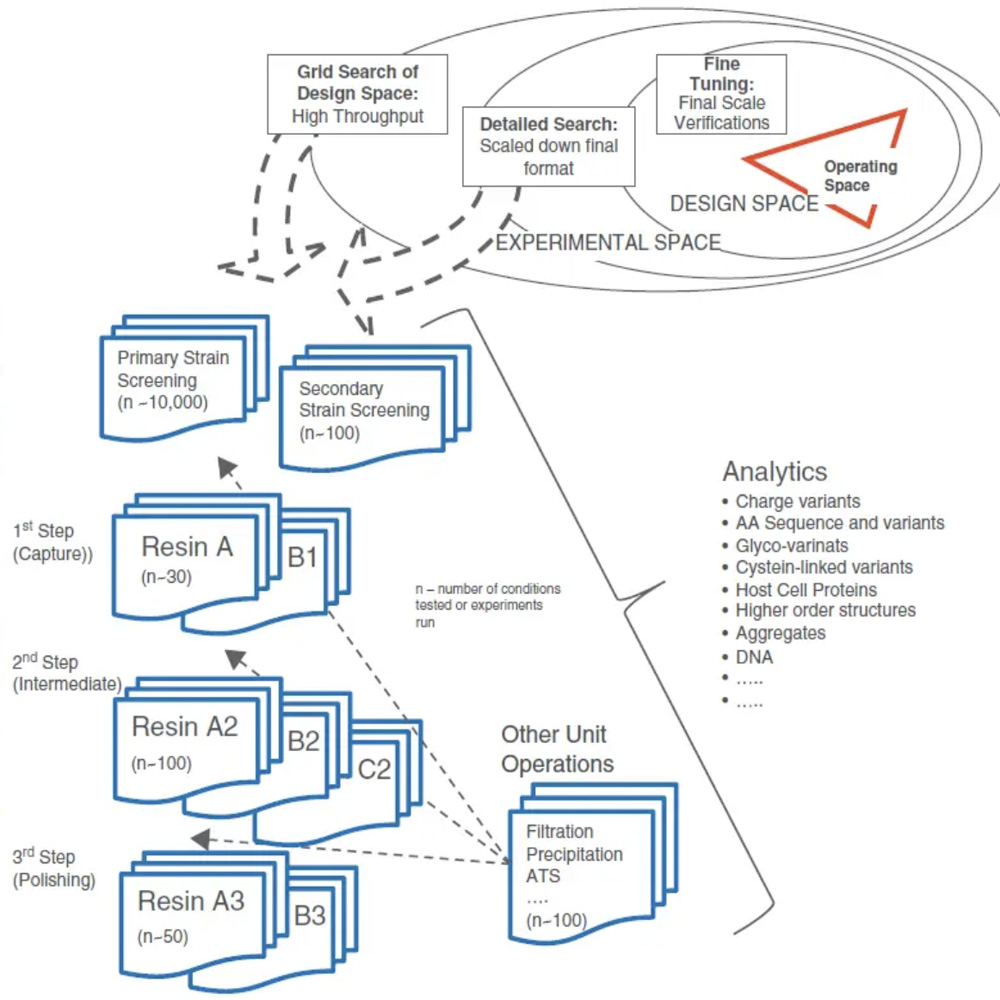
Monoclonal antibody development is especially tricky—you need really thorough tests to check purity, impurities, aggregates, and variants. Some analytical tools have been adjusted for high-throughput screening, but we still need better, faster, more automated tech. If we can improve how we measure aggregates, test multiple attributes at once, and monitor in real time, high-throughput process development will get even better.
Even with these problems, high-throughput methods have already made a huge difference in biomanufacturing. They’ve boosted efficiency, helped us learn more, and kept costs down. As automation, AI, and high-throughput analytics keep getting better, these systems will become smarter, more connected, and more standardized.
In the next few years, the field will keep moving toward quicker testing, smarter data platforms, and fully integrated end-to-end processes. High-throughput process development isn’t just changing how we make biopharmaceuticals—it’s building a better, more efficient, sustainable, and innovative biomanufacturing world.
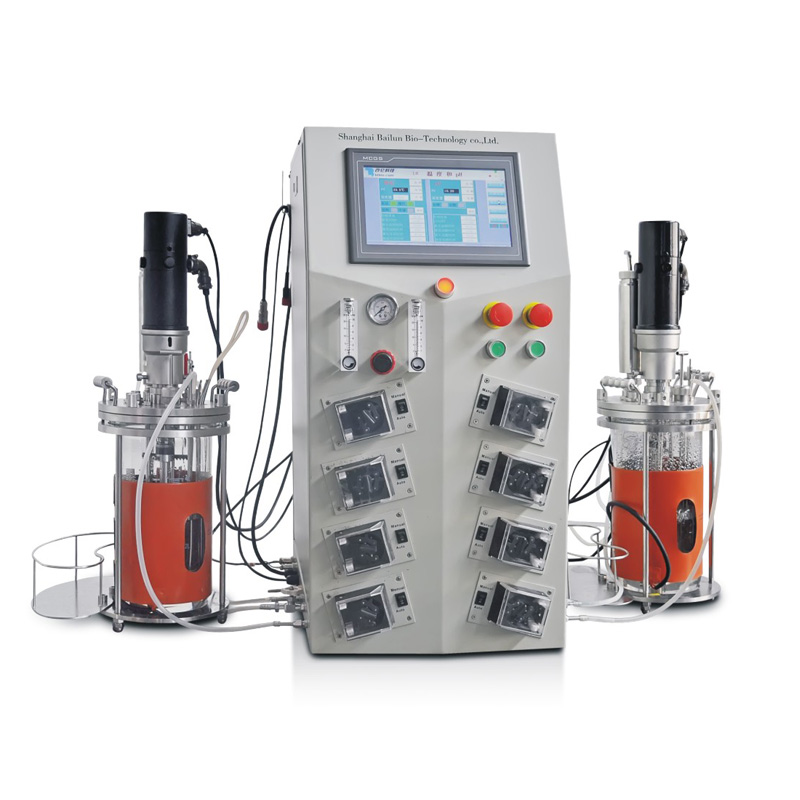
High-Throughput Process Development!
About Bailun
Bailun possesses extensive experience in manufacturing various reactors and pressure vessels. We have a team of experts in bioreactors, fermentation processes, mechanical manufacturing, and automation control. Our research and technological capabilities are consistently at the forefront domestically and among the best internationally, providing you with a comfortable, reliable, and worry-free product experience. Contact us https://fermentorchina.com/