
Oral GLP-1 therapies spearheaded a dramatic shift in the global pharmaceutical market changed a lot in 2025. Eli Lilly’s Tirzepatide had sales of $36.5 billion and became the top product. Novo Nordisk’s Semaglutide had sales of $36.1 billion and was in second place. The two drugs had total sales of over $70 billion. They set new records for single-drug sales. They also sent a clear message. People around the world now see weight control and metabolic health as a basic need.
Many people around the world have obesity and metabolic diseases. This is why these two drugs sell so well. The World Health Organization says more than 1 billion people are overweight. More than 650 million of them are obese. More people also get chronic diseases linked to metabolic problems. These diseases include type 2 diabetes and heart disease. They put heavy pressure on health systems in many countries. GLP-1 receptor agonists work very well for weight loss and blood sugar control. So they become very popular in the drug market.
But there are also problems. Tirzepatide and semaglutide are mainly given by injection now. In the past, people needed daily injections. Now they only need once-weekly injections. So more people keep using them. But many people still do not like injections. Injections are a mental and practical problem for them. Some people choose to live with obesity instead of getting injections. Other people find it hard to keep the drugs cold when they travel. So oral GLP-1 drugs become a very competitive field. The first company that makes a convenient, effective and easy-to-produce oral drug will lead the next step of this market.
Scientists around the world are working on oral GLP-1. They mainly use two different technical ways.
I. The first way: modified peptide method (by Novo Nordisk)
Natural GLP-1 is a peptide. It breaks easily in stomach acid and digestive enzymes. Novo Nordisk researchers once said a peptide drug is like a piece of steak in the stomach. Novo Nordisk bought Emisphere for $1.8 billion in 2020. Then it got the Eligen® SNAC delivery technology. This technology uses SNAC. SNAC can make the local pH in the stomach higher for a short time. It protects semaglutide from breaking down. It also helps the drug be absorbed into the body.
Then Rybelsus was created. It is the world’s first oral GLP-1 drug. People need to take it on an empty stomach early in the morning. They must swallow the whole tablet. Its bioavailability is only about 1%. But this shows that oral GLP-1 peptide drugs are possible. People can get the effects of GLP-1 without injections. This brings new choices for patients.
II. The second way: small-molecule agonists (led by Eli Lilly)
Small-molecule compounds are good for oral use. They have a stable structure. They do not break down easily in the stomach and intestines. They are easy to make in large amounts. Their cost can be controlled. They usually have high bioavailability. Eli Lilly is working on small-molecule GLP-1 agonists. One example is CT-388. These drugs can avoid the problems of peptide drugs. They create a new way for GLP-1 treatments.
Many Chinese drug companies are also working on this field. More than 20 Chinese companies are developing oral GLP-1 drugs. Many of them are in Phase III clinical trials. These companies include Hengrui Medicine, Huadong Medicine and CSPC Pharmaceutical Group. They want to catch up with global leaders. They also develop their own new technologies. They want to take a leading position in the next-generation oral GLP-1 market. They use new ways to make full use of GLP-1.
The oral GLP-1 market still has a lot of space for growth. Oral semaglutide has been sold for many years. But many patients do not use it because of its strict rules.
- People must take the drug first thing in the morning. They cannot eat anything for at least 30 minutes after taking it.
- People must swallow the whole tablet. Old people and people who cannot swallow easily may have trouble with this.
- Only about 1% of the drug works in the body. Most of it is wasted. So the drug is expensive and hard to cover with insurance.
These problems give chances for new oral GLP-1 drugs. Scientists are testing better absorption technologies for peptide drugs. They want to make bioavailability reach 5% or higher. They also want to make the rules of use less strict. Then more people can use GLP-1 treatments. For small-molecule drugs, scientists are looking for new and strong molecules. These molecules can fix absorption and stability problems. They still keep the main effects of GLP-1.

In the next 3–5 years, the oral GLP-1 market will change. Now only one main product is on the market. Later many different products will compete. Each new product will be better than old ones. It will solve the problems that old GLP-1 drugs cannot solve.
In this competition worth hundreds of billions, the ultimate winner may not be the first product to hit the market, but rather the solution that strikes the best balance among efficacy, convenience, price and production capacity.
Efficacy goes without saying, it must meet or exceed the standards of existing injectable drugs; convenience is related to whether patients can adhere to the treatment in the long term, involving aspects such as dosing frequency, administration conditions and storage methods; price determines the speed of market penetration and the possibility of medical insurance coverage; production capacity tests the production scale and supply chain guarantee capabilities of enterprises.
The balance of these four dimensions will ultimately determine who can truly seize this historic opportunity and write a new chapter in the treatment of metabolic diseases.
Regarding Bailun
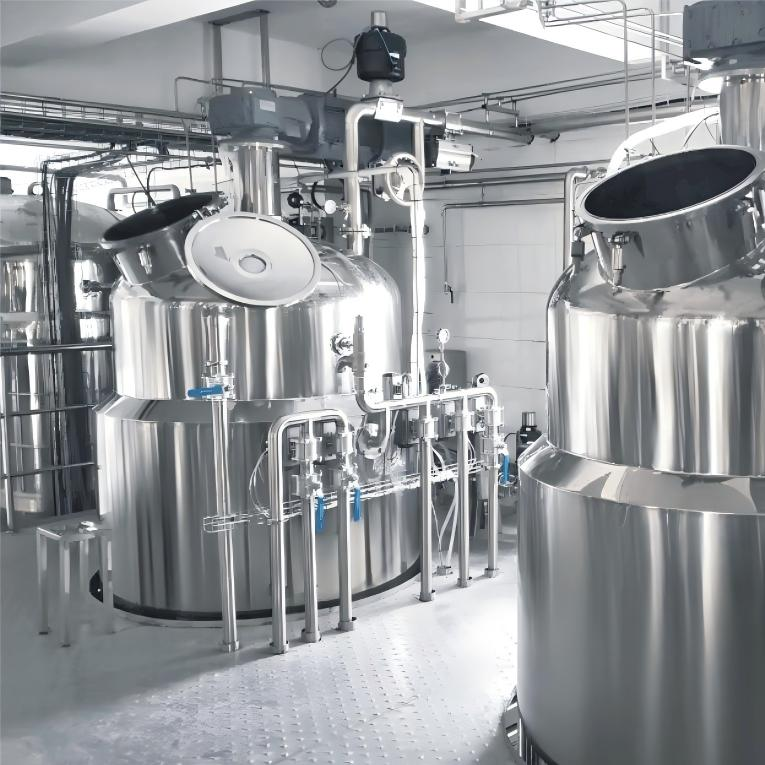
Bailun promotes the intelligentization of bioreactors, builds a large-scale bioreactor model and a “microbial strain – industrial production” end-to-end platform in synthetic biology, constructs a precise fermentation big data cloud, gathers massive reaction data, and conducts real-time monitoring, analysis, and prediction of fermentation parameters and material changes, thereby enhancing the efficiency and accuracy of synthetic biology research, and promoting the intelligent, efficient, and sustainable development of the biotechnology industry. Связаться с нами