


Executive Summary
Singapore is one of Asia’s most advanced biotechnology, biopharmaceutical manufacturing, food-technology, and synthetic-biology hubs. Its concentration of pharmaceutical manufacturers, public research institutes, biotechnology startups, alternative-protein developers, and regional engineering centers creates demand for specialized bioreactor technologies.
Airlift bioreactors are particularly relevant to processes requiring gentle gas-driven circulation, reduced mechanical shear, fewer moving components, and flexible gas-liquid mass transfer.
This guide compares five airlift bioreactor manufacturers and suppliers that can support customers in Singapore in 2026.
The companies were evaluated according to:
Airlift-specific product capability
Laboratory, pilot, and industrial scale coverage
Reusable or single-use options
Process-control capability
Application experience
Scale-up engineering
Singapore or Asia-Pacific support
Customization
Total project value
Not every company listed manufactures equipment in Singapore. Some serve Singapore through regional offices, distributors, direct export, or project-based engineering support. Buyers should verify current sales representation, installation responsibility, consumable availability, spare-parts supply, and warranty coverage before ordering.
Top 5 Airlift Bioreactor Manufacturers and Suppliers
Bühler
BIONET
Bailun Biotechnology
Cellexus
BioReactor Sciences
Best Suppliers by Requirement
Buyer Requirement | Recommended Supplier |
|---|---|
Industrial biotechnology projects | Bühler |
Local Singapore engineering access | Bühler |
Laboratory airlift bioreactor | BIONET |
Pilot-scale reusable airlift system | BIONET or BioReactor Sciences |
Customized glass airlift bioreactor | Bailun Biotechnology |
Stainless steel airlift bioreactor | Bailun Biotechnology or Bühler |
Single-use airlift bioreactor | Cellexus |
Bacteriophage production | Cellexus |
Plant-cell cultivation | Bailun, BIONET or BioReactor Sciences |
Alternative proteins and food biotechnology | Bühler or Cellexus |
Laboratory-to-industrial scale-up | Bailun or Bühler |
Cost-conscious customized projects | Bailun Biotechnology |
Dedicated airlift engineering | BioReactor Sciences |
Internal- or external-loop industrial design | Bühler |
Rapid multiproduct changeover | Cellexus |
Main Buying Recommendation
Singapore universities and research institutes should prioritize flexible process control, reliable local support, interchangeable sensors, compact installation, and ease of sterilization.
Biotechnology startups should focus on process flexibility, operating cost, consumable availability, and a realistic scale-up pathway.
Biopharmaceutical and cell-culture companies should evaluate gas-control accuracy, aseptic design, closed sampling, data integrity, qualification documents, and process reproducibility.
Industrial biotechnology and food-technology companies should prioritize oxygen transfer, heat removal, circulation performance, hygienic engineering, energy consumption, downstream integration, and production cost per kilogram.
Why Singapore Needs Specialized Airlift Bioreactor Solutions
Singapore is an important Asian center for biopharmaceutical manufacturing, biomedical research, synthetic biology, food innovation, and advanced manufacturing.
According to the Singapore Economic Development Board, the country hosts more than 60 biopharmaceutical manufacturing sites covering small-molecule active ingredients, biologics, cell therapies, antibody-drug conjugates, and other advanced modalities.
Singapore’s research ecosystem also includes:
A*STAR research institutes
National University of Singapore
Nanyang Technological University
Bioprocessing Technology Institute
Singapore Institute of Food and Biotechnology Innovation
Pharmaceutical manufacturers
Biologics CDMOs
Food-technology startups
Synthetic-biology companies
Alternative-protein developers
Airlift bioreactors will not replace stirred tanks across this ecosystem. However, they can offer important benefits for selected low-shear, gas-intensive, or specialized cultivation processes.
Biopharmaceutical Research
Potential applications include:
Mammalian cell research
Stem-cell expansion studies
Viral-vector process development
Recombinant protein production
Bacteriophage amplification
Vaccine research
Process intensification
Advanced therapeutic development
Food Biotechnology
Singapore’s food-innovation ecosystem creates potential applications in:
Precision fermentation
Alternative proteins
Functional ingredients
Biomass fermentation
Natural pigments
Food cultures
Cellular agriculture
Sustainable nutrition
Synthetic Biology
Airlift systems may be evaluated for engineered organisms used to produce:
Specialty proteins
Enzymes
Biomaterials
Bio-based chemicals
Flavors
Fragrances
Nutritional compounds
Pharmaceutical intermediates
Plant-Cell Biotechnology
Potential applications include:
Plant-cell suspension culture
Secondary metabolite production
Plant-derived active ingredients
Plant-made proteins
Cosmetic ingredients
Medicinal plant research
Environmental Biotechnology
Airlift and gas-lift systems can also support:
Biological wastewater research
Biofilm cultivation
Biosorption
Bioremediation
Nutrient recovery
Waste-stream valorization
What Is an Airlift Bioreactor?
An airlift bioreactor is a pneumatically mixed cultivation vessel that uses gas flow to circulate liquid and transfer oxygen.
Unlike a stirred-tank bioreactor, it normally does not require an internal mechanical impeller.
Sterile gas is introduced through a sparger near the bottom of the vessel. The gas-rich liquid becomes less dense and rises through one section of the reactor. Liquid containing less gas moves downward through another section, creating continuous circulation.
The upward-flow section is called the riser.
The downward-flow section is called the downcomer.
Basic Operating Cycle
Air or another process gas enters through the sparger.
Gas bubbles move upward through the riser.
The gas-liquid mixture becomes less dense.
Liquid circulates toward the upper gas-separation area.
Part of the gas leaves through the exhaust.
Denser liquid returns through the downcomer.
Continuous circulation distributes nutrients, cells, gases, and heat.
Common Process Gases
Depending on the biological process, an airlift system may use:
Air
Oxygen
Carbon dioxide
Nitrogen
Custom gas mixtures
Main Components
A controlled airlift bioreactor may include:
Glass, plastic, or stainless steel vessel
Draft tube
External circulation loop
Gas sparger
Sterile inlet filter
Exhaust filter
Gas flow controller
Temperature-control jacket
Heater or cooler
pH sensor
Dissolved oxygen sensor
Foam sensor
Level sensor
Pressure sensor
Feed pumps
Sampling port
Exhaust condenser
Off-gas analyzer
PLC or computer controller
Process-data software
Internal-Loop Airlift Bioreactor
An internal-loop airlift reactor uses a draft tube or an internal partition to separate upward and downward liquid circulation within a single vessel.
Main Characteristics
Riser and downcomer are inside one vessel
Compact footprint
Fewer external pipes
Relatively simple installation
Common in laboratory and pilot systems
Suitable for glass-vessel construction
Advantages
Reduced external piping
Lower connection-related contamination risk
Compact design
Easier laboratory installation
Potentially simpler cleaning
Good visual observation in glass systems
Typical Applications
Plant cells
Mammalian cell research
Algae
Tissue culture
Bacteriophages
Selected microbial processes
University research
External-Loop Airlift Bioreactor
An external-loop airlift reactor uses separate vessel sections or external piping to establish the riser and downcomer.
Main Characteristics
External circulation pathway
Flexible loop dimensions
Greater engineering freedom
Easier integration of external heat exchangers
Suitable for customized pilot and industrial systems
Advantages
Flexible circulation-loop geometry
Potentially effective heat removal
Easier placement of some instruments
Good accessibility for custom engineering
Suitable for certain larger installations
Limitations
Larger footprint
More piping
More sterile connections
More complex cleaning
Higher engineering requirements
Greater project cost
Which Type Should You Choose?
An internal-loop system may be more practical for a compact laboratory installation.
An external-loop system may be more appropriate when the project requires:
Significant heat removal
Customized circulation
Larger volume
External gas separation
Additional instrumentation
Industrial plant integration
The final decision should be based on process data rather than vessel appearance.
Airlift Bioreactor vs Bubble Column
Airlift bioreactors and bubble columns both use gas-driven mixing, but they are not identical.
A bubble column introduces gas into a vertical vessel without necessarily creating clearly separated circulation zones.
An airlift reactor uses vessel geometry, a draft tube, or an external loop to establish a defined riser and downcomer.
Feature | Bubble Column | Airlift Bioreactor |
|---|---|---|
Mechanical agitator | No | No |
Defined riser | Usually absent | Yes |
Defined downcomer | Usually absent | Yes |
Draft tube | Usually absent | Common |
Flow pattern | Less structured | More controlled |
Vessel complexity | Lower | Moderate |
Scale-up | Gas-flow dependent | Gas flow and geometry dependent |
Heat-exchanger integration | Limited | More flexible in external-loop systems |
Hydrodynamic control | Lower | Potentially greater |
Commercial suppliers occasionally use “bubble column” and “airlift” interchangeably.
Before buying, request:
General arrangement drawing
Process flow diagram
Draft-tube dimensions
Riser and downcomer areas
Sparger design
Expected circulation pattern
Advantages of Airlift Bioreactors
Reduced Mechanical Shear
The absence of a mechanical impeller eliminates the high-energy mixing zone normally found around agitation blades.
This can benefit:
Plant cells
Mammalian cells
Tissue aggregates
Filamentous organisms
Fragile microorganisms
Shear-sensitive biological products
Fewer Mechanical Components
A conventional airlift reactor does not require:
Agitator shaft
Mechanical seal
Internal impeller
Gearbox
Agitation motor
This may reduce mechanical maintenance and eliminate some shaft-seal contamination risks.
Combined Mixing and Aeration
Gas flow can provide:
Liquid circulation
Mixing
Oxygen delivery
Carbon-dioxide removal
Heat distribution
Potential Energy Advantages
Removing the agitation motor can reduce mechanical electricity use.
However, a complete energy comparison must also include:
Air compression
Oxygen enrichment
Cooling
Heating
Exhaust treatment
Pressure control
Simple Internal Geometry
Some airlift vessels have fewer internal components than stirred tanks, which may simplify:
Cleaning
Inspection
Maintenance
Sterilization
Internal surface access
Flexible Construction
Airlift systems can be manufactured as:
Autoclavable glass reactors
In-situ sterilized glass reactors
Stainless steel pilot reactors
Stainless steel industrial reactors
Single-use bioreactor bags
Illuminated photobioreactors
Limitations of Airlift Bioreactors
Mixing and Oxygen Transfer Are Linked
In a stirred tank, agitation speed and gas flow can be adjusted separately.
In an airlift reactor, changing gas flow also changes:
Circulation
Mixing time
Gas holdup
Bubble residence
Oxygen transfer
Foam formation
Shear conditions
This can make process optimization more complex.
High-Viscosity Broths May Be Difficult
Airlift circulation can become inefficient when the culture is:
Highly viscous
Strongly non-Newtonian
Very dense
Rich in large solids
Difficult to suspend
High Oxygen Demand Requires Careful Design
Airlift technology is not automatically suitable for high-cell-density aerobic fermentation.
The supplier should evaluate:
Oxygen uptake rate
Target dissolved oxygen
Maximum gas velocity
Oxygen enrichment
Vessel pressure
Sparger design
Bubble size
Heat-removal capacity
Carbon-dioxide stripping
Foaming May Increase
High gas flow can cause significant foam.
Possible control methods include:
Foam sensor
Antifoam pump
Exhaust condenser
Mechanical foam breaker
Larger headspace
Controlled airflow profiles
Low Shear Is Not Zero Shear
Cells may still experience stress from:
Bubble formation
Bubble rupture
Gas-liquid interfaces
High superficial gas velocity
Foam collapse
Rapid circulation
How We Selected the Top 5 Manufacturers
This article uses an editorial evaluation rather than audited market share or laboratory testing.
Airlift-Specific Evidence
Each company must publicly present:
A dedicated airlift product
A gas-lift system
An airlift vessel option
Or an identifiable airlift engineering capability
Relevance to Singapore
We considered:
Singapore office or engineering access
Asia-Pacific support
Distributor network
Direct export capability
Installation model
Technical service
Spare-parts pathway
Scale Coverage
The suppliers represent different requirements:
Laboratory research
Pilot development
Single-use processing
Stainless steel production
Industrial biotechnology
Process-Control Capability
Relevant capabilities include:
Gas flow
pH
Dissolved oxygen
Temperature
Feeding
Foam
Pressure
Off-gas analysis
Data acquisition
Remote access
Application Fit
The evaluation considers suitability for:
Plant cells
Mammalian cells
Microbial fermentation
Algae
Bacteriophages
Alternative proteins
Industrial biotechnology
Total Project Value
Purchase price alone does not determine value.
The evaluation also considers:
Installation
Utilities
Consumables
Scale-up
Maintenance
Training
Documentation
Lifecycle cost
Quick Comparison of the Top 5 Suppliers
Company | Airlift Format | Main Scale | Primary Strength | Singapore Support Model |
|---|---|---|---|---|
Bühler | Custom internal- and external-loop systems | Pilot to industrial | Industrial engineering and local regional presence | Singapore office and engineering hub |
BIONET | Glass reusable airlift platforms | Laboratory to pilot | Flexible bioreactor control and scale-up | Direct or regional support |
Bailun Biotechnology | Glass and stainless steel airlift systems | Laboratory to industrial | Customization and capital-cost efficiency | Direct export and project support |
Cellexus | Single-use bag-based airlift systems | 1.5L–50L | Rapid changeover and reduced cleaning | Distributor or direct sales; confirm current local channel |
BioReactor Sciences | Reusable AL-100 and AL-200 systems | Benchtop to pilot/industrial | Dedicated airlift engineering | Direct project support |
Top 5 Airlift Bioreactor Manufacturers and Suppliers Serving Singapore
1. Bühler
Company Overview
Bühler is an international process-technology and plant-engineering company with a significant presence in Singapore.
Its airlift bioreactor offering is part of a broader industrial bioprocess portfolio that includes:
Stirred-tank bioreactors
Jet-loop reactors
Bubble columns
Airlift reactors
Downstream processing
Formulation systems
Complete production lines
Bühler’s Singapore operation serves as its Southeast Asian headquarters and engineering hub, giving the company an important advantage for regional industrial projects.
Airlift Engineering Capability
Bühler offers both:
Internal-loop airlift concepts
External-loop airlift concepts
The system is engineered according to:
Organism characteristics
Oxygen demand
Broth rheology
Shear sensitivity
Heat-removal needs
Building layout
Production target
Energy requirements
Main Applications
Precision fermentation
Alternative proteins
Biomass fermentation
Food ingredients
Feed ingredients
Bio-based chemicals
Industrial enzymes
Side-stream valorization
Sustainable biomanufacturing
Industrial Project Services
Bühler can support:
Concept development
Process selection
Mass and energy balances
CFD simulation
Pilot testing
Hygienic design
Utility integration
CIP/SIP planning
Downstream integration
Commercial line engineering
Key Strengths
Singapore-based regional presence
Industrial process expertise
Internal- and external-loop options
Food and ingredient experience
CFD and process modelling
Full production-line integration
Strong scale-up engineering
Potential Limitations
Bühler is generally more suitable for complex industrial projects than for customers seeking a basic benchtop airlift reactor.
The engineering scope and investment level may be greater than the requirements of a university laboratory.
Best For
Singapore companies developing:
Alternative proteins
Fermentation-derived ingredients
Biomass products
Food biotechnology
Industrial biotechnology
Commercial bio-based manufacturing
2. BIONET
Company Overview
BIONET manufactures bioreactors, fermenters, control systems, and downstream equipment for laboratory, pilot, and production applications.
Its product portfolio includes dedicated airlift vessel configurations as part of flexible multipurpose bioreactor platforms.
F1 Laboratory Airlift Bioreactor
The F1 platform supports different vessel technologies, including:
Stirred microbial vessels
Cell-culture vessels
Airlift vessels
Photobioreactors
Selected single-use configurations
BIONET identifies an F1 airlift vessel with a total volume of approximately 4.7L and a maximum working volume of approximately 3L.
F3 Pilot Airlift Platform
The F3 platform covers vessel configurations from approximately 20L to 200L and includes airlift solutions.
This creates a useful pathway from laboratory process development to pilot operation.
Process-Control Options
Depending on configuration, F1 systems can support:
Multiple mass-flow controllers
Multiple pumps
pH
Dissolved oxygen
Temperature
Weight
Optical density
ORP
Dissolved carbon dioxide
Exhaust oxygen
Exhaust carbon dioxide
Viable-cell measurement
Light-control modules
Software
BIONET’s software platform supports:
Batch
Fed batch
Continuous operation
Recipe configuration
Process trends
Cascade control
Data recording
Multiple bioreactor technologies
Main Applications
Plant-cell cultivation
Microbial process development
Cell-culture research
Algae research
Synthetic biology
Process comparison
University teaching
Pilot scale-up
Key Strengths
Dedicated glass airlift vessel
Laboratory-to-pilot pathway
Flexible process-control platform
Multiple gas and sensor options
Reusable bioreactor technology
Strong R&D positioning
Potential Limitations
Singapore buyers should confirm:
Current regional sales representative
Installation service
Local spare-parts stock
Calibration support
Response time
Exact availability of custom airlift geometries
Best For
Universities, research institutes, biotechnology startups, and process-development laboratories requiring a controlled reusable airlift platform.
3. Bailun Biotechnology
Company Overview
Bailun Biotechnology manufactures laboratory, pilot, and industrial bioreactors and complete fermentation systems.
Its airlift portfolio includes glass, stainless steel, illuminated, internal-loop, external-loop, and customized configurations.
Airlift Product Range
Publicly presented systems include:
5L laboratory airlift bioreactor
15L glass airlift bioreactor
100L stainless steel airlift fermenter
150L stainless steel airlift bioreactor
Pilot-scale customized systems
Large industrial airlift vessels
Available Vessel Types
Off-site sterilized glass vessel
In-situ sterilized glass vessel
Part-glass vessel
Stainless steel vessel
Pressure-rated industrial vessel
Illuminated airlift configuration
Main Applications
Plant-cell suspension culture
Animal-cell culture
Algae cultivation
Single-cell protein
Selected microbial fermentation
Filamentous fungi
Agricultural biotechnology
Environmental biotechnology
Food biotechnology
Biofuel research
Process-Control Options
Depending on project requirements, systems may include:
Temperature
pH
Dissolved oxygen
Airflow
Oxygen
Carbon dioxide
Nitrogen
Feed pumps
Foam control
Level
Pressure
Off-gas oxygen
Off-gas carbon dioxide
Biomass
Turbidity
Remote monitoring
Automation Options
Available control configurations may include:
Siemens PLC
Touchscreen HMI
Recipe control
Batch reports
Alarm records
Remote access
Data export
Multiple gas cascades
Optional MES integration
Complete Process Integration
Bailun can also provide or integrate:
Air compressors
Steam generators
Chillers
Air dryers
Media-preparation tanks
Feeding tanks
Storage tanks
CIP systems
Centrifuges
Tangential-flow filtration systems
Key Strengths
Glass and stainless steel options
Laboratory-to-industrial coverage
Internal- and external-loop customization
Competitive project investment
Broad instrumentation options
Utility and downstream integration
Flexible OEM engineering
Singapore Buying Considerations
Bailun does not currently have a verified permanent Singapore office in the sources reviewed.
Singapore customers should clearly define:
International freight
Import responsibility
Local installation contractor
Utility connection
Factory acceptance testing
Site acceptance testing
Operator training
Spare-parts package
Warranty response
Remote technical support
Best For
Singapore startups, research organizations, food-technology companies, and industrial biotechnology projects seeking customized equipment with competitive capital cost.
4. Cellexus
Company Overview
Cellexus develops and manufactures the CellMaker family of single-use airlift bioreactor systems.
Unlike a reusable glass or stainless steel reactor, CellMaker uses a sterile disposable bioreactor bag housed within a temperature-controlled enclosure.
Gas enters through a sparge tube and creates gentle circulation without a mechanical impeller.
Working-Volume Range
CellMaker systems support working volumes from approximately:
1.5L
Up to 50L
The exact operating range depends on:
Controller
Bag
Enclosure
Application configuration
Main Applications
Bacteriophage production
Microbial fermentation
Mammalian cells
Plant cells
Viral vectors
Alternative proteins
Cellular agriculture
Fungal biomass
Protein expression
Antibody production
Anaerobic fermentation
Available Controller Types
Cellexus offers different controller configurations for:
Standard gas delivery
Low-flow cell-culture applications
Additional monitoring and control
Different operating volumes
Key Strengths
Dedicated single-use airlift technology
No internal mechanical agitator
Reduced cleaning requirements
Fast batch changeover
Compact footprint
Reduced cross-contamination risk
No reusable vessel sterilization
Suitable for facilities without a large autoclave
Singapore Distribution Consideration
Cellexus previously announced a Singapore distributor offering in-country support, servicing, and demonstrations.
Because distributor arrangements can change, buyers should confirm the current authorized Singapore channel directly with Cellexus before ordering.
Potential Limitations
A single-use platform creates recurring dependence on imported bags.
Singapore buyers should evaluate:
Bag pricing
Regional stock
Delivery lead time
Safety-stock requirements
Extractables and leachables documentation
Waste handling
Long-term supply agreement
Maximum operating volume
Best For
Singapore laboratories and biotechnology companies requiring:
Rapid process changeover
Bacteriophage amplification
Multiproduct research
Reduced cleaning
Flexible cell-culture development
Single-use operation
5. BioReactor Sciences
Company Overview
BioReactor Sciences specializes in research, development, design, and manufacturing of bioreactors and related process equipment.
Its portfolio includes dedicated airlift platforms rather than only optional airlift vessels for a general-purpose controller.
AL-100 Benchtop Airlift Bioreactor
The AL-100 is designed for controlled laboratory-scale cultivation.
Potential features include:
Jacketed vessel
PLC-based control
Touchscreen HMI
pH control
Dissolved oxygen control
Temperature control
Feed control
Remote communication
Process-data recording
AL-200 Pilot-Scale Airlift Bioreactor
The AL-200 is positioned for pilot and larger process-development applications.
Available features may include:
Industrial-grade controller
Thermally controlled vessel
Automated valves
Exhaust condenser
Pressure control
Sterilization-in-place
Communication interfaces
Remote process monitoring
Main Applications
Plant-cell suspensions
Animal cells
Shear-sensitive cultures
Biological conversion
Oleaginous yeast
Vaccine research
Biopharmaceutical development
Pilot fermentation
Additional Airlift Configurations
BioReactor Sciences also applies airlift technology to moving-bed and biofilm reactor configurations.
Key Strengths
Dedicated airlift expertise
Benchtop and pilot platforms
Reusable systems
Custom engineering
Published application background
SIP options
Strong suitability for unusual processes
Potential Limitations
The company does not have a verified permanent Singapore office in the reviewed sources.
Buyers should confirm:
Asia-Pacific installation support
Local electrical compliance
Shipping
Calibration
Replacement parts
Onsite service
Qualification documentation
Warranty response
Best For
Research institutes and biotechnology companies requiring a purpose-built, reusable airlift platform for specialized biological applications.
Best Airlift Bioreactor Suppliers by Application
Best for Industrial Biotechnology
Recommended suppliers:
Bühler
Bailun Biotechnology
BioReactor Sciences
Industrial buyers should focus on:
Oxygen-transfer capacity
Gas-compression cost
Cooling capacity
Vessel pressure
SIP
CIP
Exhaust treatment
Scale-up evidence
Production cost
Best for Alternative Proteins
Recommended suppliers:
Bühler
Cellexus
Bailun Biotechnology
BIONET
The best system depends on whether the process produces:
Microbial biomass
Recombinant protein
Functional ingredient
Cultivated-cell product
Fungal biomass
Best for Plant Cells
Recommended suppliers:
Bailun Biotechnology
BioReactor Sciences
BIONET
Cellexus
Important factors include:
Aggregate size
Bubble sensitivity
Settling behavior
Biomass density
Gas velocity
Sampling
Light requirements
Harvest strategy
Best for Bacteriophage Production
Recommended suppliers:
Cellexus
BIONET
BioReactor Sciences
Bailun Biotechnology
Phage-production buyers should evaluate:
Host-cell oxygen demand
Containment
Cross-contamination control
Cleaning validation
Single-use consumables
Harvest method
Final production scale
Best for Mammalian Cell Research
Recommended suppliers:
Cellexus
BIONET
BioReactor Sciences
Bailun Biotechnology
Important process considerations include:
Low-flow gas control
Bubble-induced stress
Oxygen enrichment
Carbon-dioxide removal
Foam
Sterile additions
Closed sampling
Perfusion compatibility
Best for Singapore Universities
Recommended suppliers:
BIONET
Cellexus
Bailun Biotechnology
BioReactor Sciences
Universities should compare:
Equipment price
Consumable cost
Ease of teaching
Process flexibility
Software licenses
Local training
Sensor compatibility
Maintenance
Best for Industrial Food Biotechnology
Bühler is the strongest choice in this list for integrated food, ingredient, biomass, and industrial production facilities.
Best Value for Customized Equipment
Bailun Biotechnology is a strong option for customers requiring customized vessel size, sensors, automation, and supporting utilities at a competitive capital cost.
Best Dedicated Single-Use Platform
Cellexus is the most specialized single-use airlift supplier in this comparison.
Best Dedicated Reusable Airlift Specialist
BioReactor Sciences offers a clear purpose-built airlift pathway through its AL-100 and AL-200 systems.
Airlift vs Stirred-Tank Bioreactor
Selection Factor | Airlift Bioreactor | Stirred-Tank Bioreactor |
|---|---|---|
Mixing method | Gas-driven circulation | Mechanical impeller |
Mechanical shear | Generally lower | Depends on impeller and speed |
Moving components | Fewer | Motor, shaft, seal and impellers |
High-viscosity media | More challenging | Often more suitable |
High oxygen demand | Design dependent | Easier to intensify in many cases |
Solids suspension | More difficult | Generally stronger |
Feed dispersion | Circulation dependent | Usually faster |
Maintenance | Less mechanical maintenance | More mechanical components |
Process flexibility | Specialized | Broad |
Fragile cells | Often attractive | Requires low-shear setup |
Foam | Can be significant | Process dependent |
Scale-up | Geometry and gas-flow based | Multiple scale-up strategies |
Choose an Airlift Bioreactor When
The culture is mechanically sensitive.
An impeller causes unacceptable damage.
Gas-driven circulation can meet the process requirements.
Reduced mechanical maintenance is important.
The process involves plant cells, animal cells, algae, or fragile organisms.
A specialized low-shear system is acceptable.
Choose a Stirred-Tank Bioreactor When
Broth viscosity becomes high.
Oxygen demand is extremely high.
Solid particles must remain suspended.
Fast feed dispersion is essential.
Wide agitation adjustment is required.
One platform must support many unrelated processes.
Reusable vs Single-Use Airlift Systems
Reusable Glass Airlift Bioreactor
Best suited for:
Universities
Laboratory R&D
Visual process observation
Repeated experiments
Flexible sensor installation
Advantages
Transparent vessel
Reusable
Lower recurring bag dependence
Familiar probe installation
Suitable for autoclaving
Limitations
Cleaning required
Sterilization required
Glass breakage risk
Limited maximum scale
Greater manual handling
Stainless Steel Airlift Bioreactor
Best suited for:
Pilot manufacturing
Industrial production
In-situ sterilization
Larger volumes
Long production campaigns
Advantages
High durability
CIP/SIP capability
Pressure capability
Larger scale
Long equipment life
Limitations
Higher initial cost
No direct visibility
More site utilities
Greater engineering complexity
Longer project schedule
Single-Use Airlift Bioreactor
Best suited for:
Multiproduct laboratories
Rapid changeover
Contamination-sensitive applications
Facilities without cleaning infrastructure
Flexible small-batch production
Advantages
Reduced cleaning
Reduced cleaning validation
Fast setup
Lower cross-batch contamination risk
Compact facility requirements
Limitations
Recurring consumable cost
Supply-chain dependence
Waste generation
Import lead time
Maximum-scale limits
Important Technical Specifications to Request
Vessel Information
Request:
Total vessel volume
Minimum working volume
Maximum working volume
Vessel diameter
Vessel height
Aspect ratio
Product-contact material
Surface finish
Design pressure
Design temperature
Airlift Geometry
Request:
Internal-loop or external-loop design
Draft-tube diameter
Draft-tube height
Bottom clearance
Riser area
Downcomer area
Riser-to-downcomer ratio
Gas-separation-zone dimensions
Draft-tube cleaning method
Draft-tube removability
Gas System
Confirm:
Supported gases
Minimum airflow
Maximum airflow
Flow-control accuracy
Mass-flow-controller range
Oxygen-enrichment capability
Carbon-dioxide control
Nitrogen control
Sparger type
Exhaust capacity
Maximum operating pressure
Instrumentation
Possible instruments include:
pH
Dissolved oxygen
Temperature
Pressure
Foam
Level
Turbidity
Biomass
Dissolved carbon dioxide
Exhaust oxygen
Exhaust carbon dioxide
Load cells
Process-Control Software
Ask whether the system supports:
Real-time trends
Cascade control
Recipe management
Alarm history
Batch reports
User permissions
Remote access
Data export
Audit trail
Electronic signatures
MES connection
Performance Data
Request information about:
Mixing time
Liquid circulation velocity
Gas holdup
Oxygen-transfer capability
Carbon-dioxide removal
Heat-transfer capacity
Maximum viable-cell density
Foam behavior
Scale-up methodology
Airlift Bioreactor Cost Factors in Singapore
There is no reliable universal price for an airlift bioreactor.
The total cost depends on the biological process and the complete project scope.
Vessel Material
A small autoclavable glass reactor normally costs less than a stainless steel pressure vessel with automated SIP.
Working Volume
Larger systems require:
More vessel material
Stronger supports
Larger gas equipment
Greater cooling capacity
More complex installation
Larger utility connections
Gas-Control Complexity
Project cost increases when the system requires separate control of:
Air
Oxygen
Carbon dioxide
Nitrogen
Sensor Package
Additional instruments may include:
Off-gas analyzer
Biomass sensor
Turbidity sensor
Dissolved carbon-dioxide sensor
Foam sensor
Load cells
Redundant temperature sensors
Sterilization Method
Possible options include:
Autoclaving
Off-site sterilization
In-situ sterilization
Steam-in-place
Presterilized single-use bag
Automation
A basic research controller costs less than a regulated automation platform with:
User-access control
Audit trail
Electronic signatures
Batch reporting
Historian
MES integration
System redundancy
Singapore Landed Costs
The full project budget may also include:
International freight
Insurance
Import charges
Local delivery
Installation
Electrical work
Gas piping
Utility connection
Calibration
Commissioning
Training
Spare parts
Qualification
Single-Use Lifecycle Cost
For a single-use system, calculate:
Bag price
Annual batch number
Safety stock
Freight
Storage
Disposal
Supplier agreement
Risk of production interruption
Reusable Lifecycle Cost
For reusable equipment, calculate:
Cleaning water
Steam
Cleaning chemicals
Labor
Validation
Sensors
Maintenance
Seal replacement
Downtime
How to Choose an Airlift Bioreactor Supplier in Singapore
Step 1: Define the Cell or Organism
Specify whether the process involves:
Bacteria
Yeast
Fungi
Mammalian cells
Insect cells
Plant cells
Algae
Bacteriophages
Step 2: Define the Process Mode
Clarify whether the process is:
Batch
Fed batch
Continuous
Perfusion
Repeated batch
Immobilized-cell cultivation
Step 3: Define the Working Volume
Provide:
Minimum working volume
Normal working volume
Maximum working volume
Final commercial volume
Seed-train requirements
Step 4: Define Oxygen Requirements
Provide the supplier with:
Estimated oxygen uptake rate
Target dissolved oxygen
Maximum gas flow
Oxygen availability
Pressure limitations
Carbon-dioxide removal needs
Step 5: Define the Sterilization Strategy
Select:
Autoclave
Off-site sterilization
In-situ steam
SIP
Single-use bag
Step 6: Define the Regulatory Requirement
Clarify whether the equipment is for:
Academic research
Food development
Industrial biotechnology
Non-GMP pilot production
GMP process development
Regulated commercial manufacturing
Step 7: Confirm Singapore Utilities
Provide details of:
Electrical supply
Compressed air
Oxygen
Carbon dioxide
Nitrogen
Cooling water
Chilled water
Steam
Clean steam
Drainage
Exhaust system
Step 8: Confirm Service Responsibilities
Define who will handle:
Delivery
Unloading
Installation
Piping
Electrical work
Commissioning
Calibration
Training
Qualification
Warranty service
Step 9: Compare Lifecycle Cost
Do not compare only equipment price.
Include:
Energy
Gas consumption
Cooling
Steam
Cleaning
Consumables
Sensors
Maintenance
Spare parts
Downtime
Questions to Ask Before Requesting a Quotation
Is the proposed design a true airlift reactor or a bubble column?
Does the system use an internal loop or an external loop?
Which organisms have been cultivated in a similar system?
What working-volume range is guaranteed?
What gas-flow range is available?
Can air, oxygen, carbon dioxide, and nitrogen be controlled independently?
How is dissolved oxygen controlled?
How is carbon dioxide removed?
How is foam detected and controlled?
What sterilization method is included?
Can the draft tube and sparger be cleaned completely?
Which sensors are included?
What software functions are included?
Can process data be exported?
What scale-up criteria will be used?
Who will install the equipment in Singapore?
What local service is available?
What spare parts should be ordered?
What acceptance tests are included?
What is excluded from the quotation?
Frequently Asked Questions
Who Is the Best Airlift Bioreactor Supplier in Singapore?
Bühler is a strong choice for industrial projects because it maintains a significant Singapore presence and provides industrial bioprocess engineering.
BIONET is suitable for controlled laboratory and pilot development.
Bailun is suitable for customized glass and stainless steel systems.
Cellexus is a specialist in single-use airlift technology.
BioReactor Sciences is relevant to dedicated reusable airlift projects.
Are These Companies Based in Singapore?
Not all of them are headquartered in Singapore.
Bühler has a Singapore operation and regional engineering role. The other manufacturers may serve Singapore through distributors, regional support, or direct international projects.
Which Supplier Is Best for a Laboratory Airlift Bioreactor?
BIONET, Cellexus, Bailun, and BioReactor Sciences all offer relevant laboratory-scale options.
The right choice depends on whether the buyer wants:
Reusable glass
Single-use bag
Custom geometry
Local support
Future scale-up
Which Airlift Bioreactor Is Best for Bacteriophages?
Cellexus is particularly relevant because its CellMaker platform is specifically positioned for phage and microbial applications.
Which Supplier Is Best for Plant-Cell Culture?
Bailun, BioReactor Sciences, BIONET, and Cellexus offer relevant low-shear systems.
The final decision should be based on cell aggregation, gas sensitivity, biomass concentration, and scale.
Can Airlift Bioreactors Grow Mammalian Cells?
Yes.
However, buyers must evaluate:
Bubble-induced damage
Gas-flow accuracy
Dissolved oxygen
Carbon-dioxide removal
Foam
Shear
Sterility
Can Airlift Bioreactors Support Microbial Fermentation?
Yes, for suitable organisms and broth conditions.
High-density aerobic processes require careful analysis of oxygen transfer, cooling, pressure, gas flow, and viscosity.
Do Airlift Bioreactors Require an Agitator?
A conventional airlift reactor does not require a mechanical agitator. Gas injection produces circulation and mixing.
Is an Airlift Bioreactor More Energy Efficient?
It may reduce mechanical agitation energy, but compressed gas and cooling requirements must be included in the total energy calculation.
Can an Airlift Bioreactor Be Used for Precision Fermentation?
Yes, provided the reactor can meet the organism’s oxygen, mixing, heat-removal, and broth-rheology requirements.
Can Airlift Systems Be Scaled to Industrial Production?
Yes.
Industrial scale-up requires careful engineering of:
Vessel geometry
Riser and downcomer dimensions
Gas velocity
Oxygen transfer
Heat removal
Foam control
Pressure
Cleaning
Which Supplier Offers Single-Use Airlift Technology?
Cellexus is the dedicated single-use airlift specialist in this comparison.
Which Supplier Offers Stainless Steel Airlift Systems?
Bühler and Bailun offer relevant industrial or stainless steel airlift capabilities. BioReactor Sciences can also provide reusable and customized platforms.
Final Recommendations
Best Overall for Industrial Projects
Bühler
Bühler is the strongest option for Singapore industrial biotechnology, food, ingredient, biomass, and integrated bioprocess projects requiring local regional engineering access.
Best for Laboratory and Pilot Development
BIONET
BIONET offers a flexible airlift platform with advanced instrumentation and a pathway from small laboratory systems to pilot-scale equipment.
Best Value for Customized Systems
Bailun Biotechnology
Bailun provides glass and stainless steel airlift options, flexible automation, and laboratory-to-industrial customization at a competitive capital cost.
Best Single-Use Airlift Bioreactor
Cellexus
CellMaker is suitable for customers prioritizing rapid changeover, reduced cleaning, compact installation, and single-use operation.
Best Dedicated Reusable Airlift Specialist
BioReactor Sciences
BioReactor Sciences offers purpose-built benchtop and pilot airlift systems for specialized biological applications.
Final Buying Advice
Do not select an airlift bioreactor only because the supplier describes it as “low shear.”
A suitable supplier should demonstrate:
Application experience
Adequate oxygen-transfer capability
Stable circulation
Effective temperature control
Appropriate sterilization
Suitable automation
A realistic scale-up strategy
Clear Singapore service responsibility
Reliable consumable or spare-parts supply
The best procurement process begins with a detailed User Requirement Specification covering the organism, process mode, working volume, oxygen demand, sterilization, sensors, automation, utilities, validation, installation, and future production scale.
Related News
-
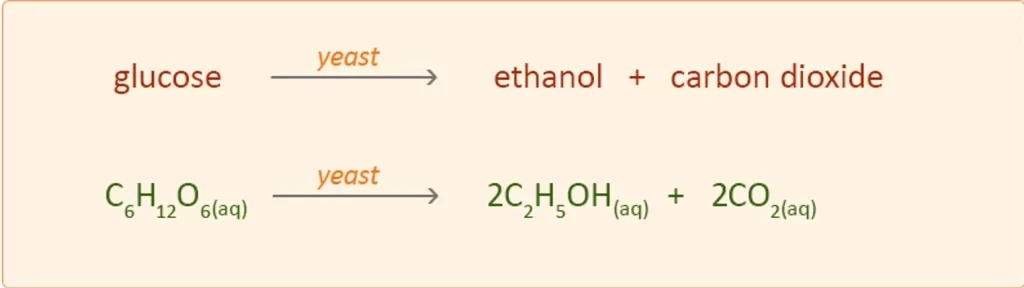 The Significance of FermentationFermentation, the pillar of metabolic processes that has been a part of human civilization for centuries, has had a profound impact on the formation of cultural practices and technology innovation. Its practices span centuries-old artisan methods, like production of l
 -
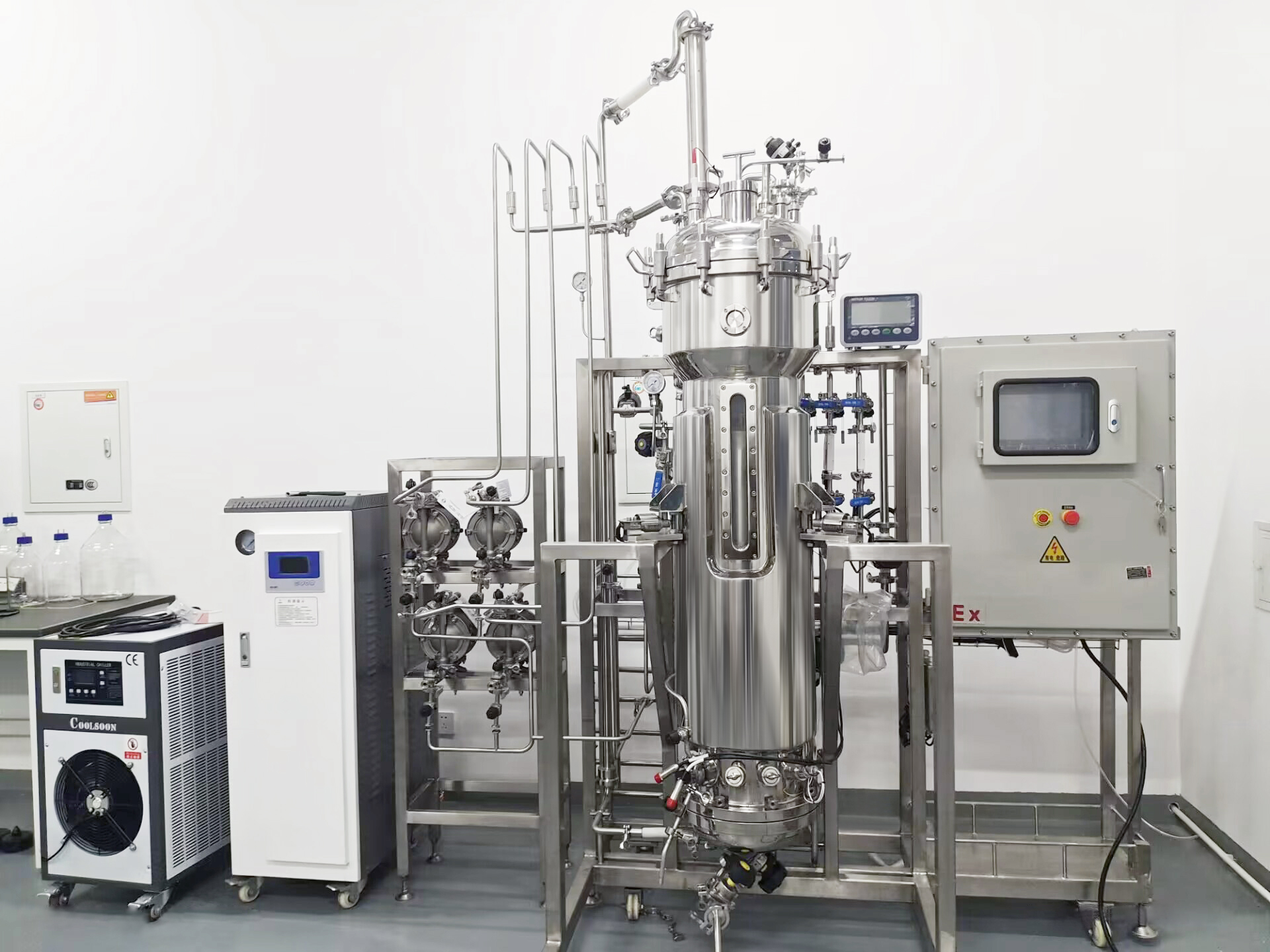 Executive SummarySingapore is one of Asia’s most advanced biotechnology, biopharmaceutical manufacturing, food-technology, and synthetic-biology hubs. Its concentration of pharmaceutical manufacturers, public research institutes, biotechnology startups, alternative-protein developers, and regional e
 -
 Executive SummarySpain has become one of Southern Europe's fastest-growing biotechnology and biopharmaceutical markets. Supported by strong pharmaceutical manufacturing, expanding CDMO capabilities, vaccine research, and industrial biotechnology, demand for stainless steel bioreactors continues to i
