


Table of Contents
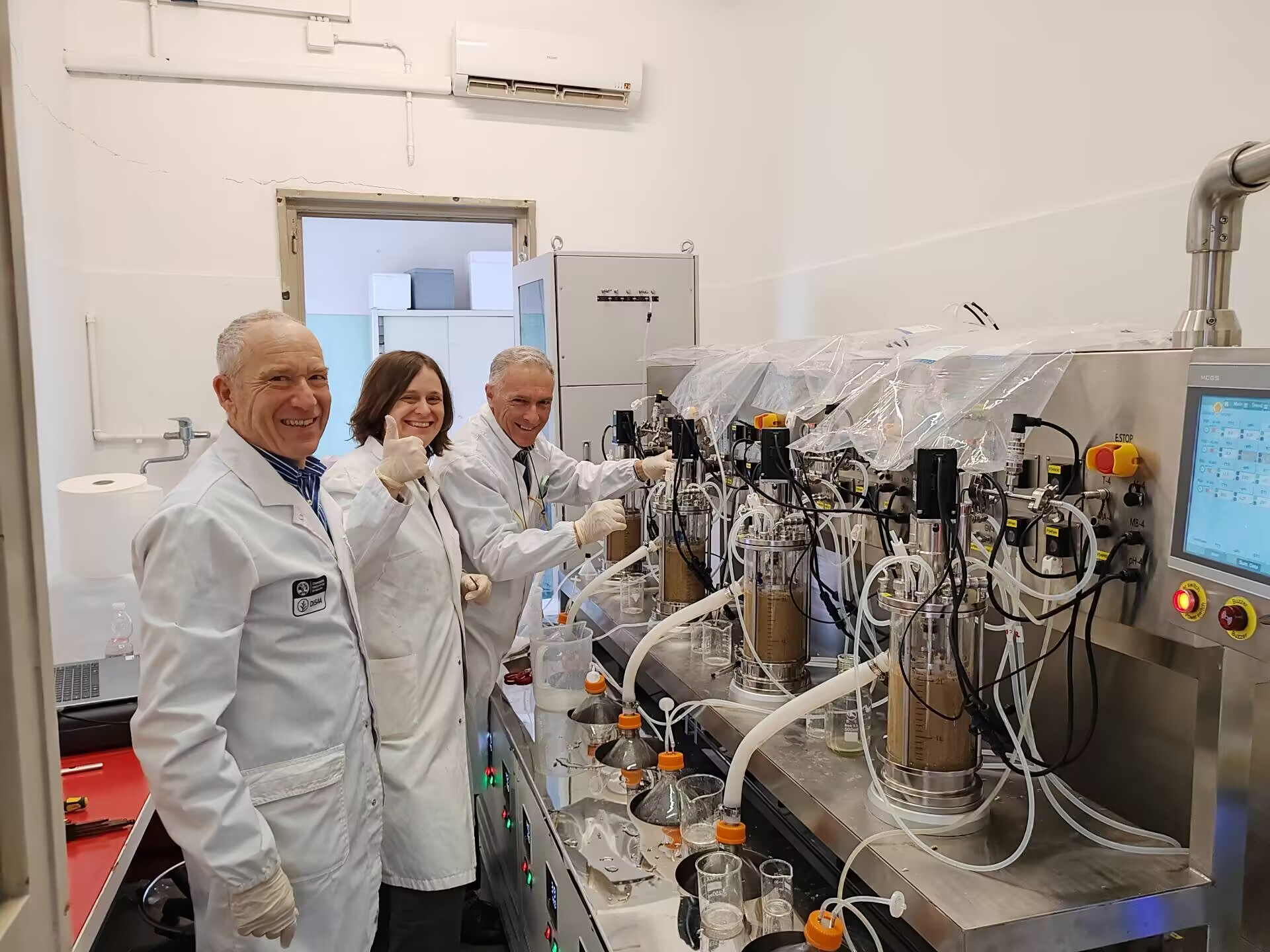
Introduction: How to Choose a Lab Bioreactor Manufacturer in 2026
Choosing the right lab bioreactor manufacturer is one of the most important decisions for laboratories, universities, biotech companies, vaccine developers, and pharmaceutical manufacturers. A laboratory bioreactor is not only a vessel for cultivation. It is a complete controlled system for microbial fermentation, cell culture, process development, optimization, and scale-up.
In 2026, buyers are no longer comparing lab bioreactors only by vessel volume or price. They are also evaluating automation, pH and DO control, sterilization method, data recording, scale-up capability, customization, validation support, lead time, and after-sales service. A suitable lab bioreactor manufacturer should understand both biological processes and engineering requirements.
This guide compares the top 19 lab bioreactor manufacturers in 2026, including global bioprocessing brands and specialized suppliers of glass bioreactors, stainless steel fermenters, benchtop bioreactors, single-use bioreactors, and customized fermentation systems.
What Is a Lab Bioreactor?
A lab bioreactor is a controlled bioprocessing system used to cultivate microorganisms, mammalian cells, insect cells, plant cells, or other biological cultures under defined conditions. It is widely used in microbial fermentation, cell culture, vaccine development, enzyme production, antibody research, recombinant protein expression, synthetic biology, and academic research.
A typical laboratory bioreactor includes a vessel, agitation system, aeration system, temperature control, pH control, dissolved oxygen control, foam control, feeding system, sampling ports, exhaust filters, sensors, and a control unit. Depending on the application, the vessel may be made of glass, stainless steel, or single-use materials.
Lab bioreactors are commonly used for early-stage process development before scaling up to pilot or production bioreactors. For this reason, a good lab bioreactor must provide stable process control, reproducible results, and enough flexibility for different experimental conditions.
Lab Bioreactor vs. Fermenter: What Is the Difference?
The terms lab bioreactor and fermenter are often used together, but they are not always exactly the same.
A fermenter usually refers to a bioreactor used for microbial fermentation, such as bacteria, yeast, fungi, enzymes, organic acids, probiotics, and recombinant proteins. These processes often require strong mixing, high oxygen transfer, reliable foam control, and precise temperature regulation.
A bioreactor is a broader term. It can be used for both microbial fermentation and cell culture, including mammalian cells, stem cells, insect cells, vaccines, monoclonal antibodies, and viral vectors. Cell culture bioreactors usually require gentler mixing, lower shear stress, accurate gas control, and sterile operation.
For buyers, the key point is simple: before choosing a manufacturer, you should first confirm whether your process is mainly microbial fermentation, cell culture, or both.
Quick Comparison Table: Top 20 Lab Bioreactor Manufacturers in 2026
Rank | Manufacturer | Country / Region | Main Product Types | Best For |
|---|---|---|---|---|
1 | Sartorius | Germany | Single-use, stainless steel, lab and production bioreactors | Biopharma, cell culture, fermentation, scale-up |
2 | Eppendorf | Germany | Glass bioreactors, benchtop systems, bioprocess software | Research labs, microbial fermentation, cell culture |
3 | Cytiva | United States / Global | Single-use bioreactors, bioprocess systems | GMP biomanufacturing, cell culture, scale-up |
4 | Getinge / Applikon | Sweden / Netherlands | Lab bioreactors, pilot bioreactors, control systems | R&D, process development, scale-up |
5 | Merck Millipore | Germany / Global | Single-use bioreactors, bioprocess solutions | Biopharma manufacturing, single-use processing |
6 | Solaris Biotech | Italy / United States | Benchtop, pilot, industrial bioreactors | Flexible bioprocess development and scale-up |
7 | Bionet | Spain | Benchtop, pilot, industrial bioreactors | Fermentation, cell culture, process automation |
8 | Bioengineering AG | Switzerland | Lab, pilot, production fermenters and bioreactors | Custom engineering and scale-up |
9 | Broadley-James | United States | Bioreactor systems, pH and DO sensors | Process control, sensors, bioreactor integration |
10 | bbi-biotech | Germany | Glass and stainless steel bioreactors | Configurable systems, automation, retrofits |
11 | INFORS HT | Switzerland | Bioreactors, shakers, bioprocess software | Microbial and cell culture research |
12 | Pierre Guérin | France | Stainless steel process systems and bioreactors | Pharmaceutical and industrial bioprocessing |
13 | ABEC | United States | Custom stainless steel and single-use bioreactors | Large-scale biopharma manufacturing |
14 | GEA | Germany | Fermentation and process systems | Industrial fermentation and food biotech |
15 | Distek | United States | Benchtop bioreactors and lab instruments | Upstream process development |
16 | Belach Bioteknik | Sweden | Lab and pilot bioreactor systems | Research and pilot-scale bioprocessing |
17 | CerCell | Denmark | Single-use and glass bioreactors | Small-scale cell culture and fermentation |
18 | Cellexus | United Kingdom | Single-use airlift bioreactors | Cell culture and shear-sensitive processes |
19 | China | Custom glass bioreactors, fermenters, stainless steel systems | Custom laboratory bioreactors and fermentation solutions |
Ranking Criteria: How We Selected These Lab Bioreactor Manufacturers
This ranking is based on several buyer-focused criteria instead of brand awareness alone. For laboratory and pilot-scale users, the best manufacturer is not always the largest company. The best choice depends on application, vessel size, control requirements, budget, customization needs, and long-term service support.
Product Range
A strong lab bioreactor manufacturer should provide multiple product options, including glass bioreactors, stainless steel bioreactors, benchtop bioreactors, single-use bioreactors, microbial fermenters, and cell culture bioreactors. A wider product range allows buyers to choose a system that matches their current process and future scale-up plan.
Application Coverage
Different biological processes require different bioreactor designs. Microbial fermentation needs high oxygen transfer, strong agitation, and foam control. Mammalian cell culture requires low-shear mixing and stable environmental control. Vaccine and biopharmaceutical applications may require validation documents, sanitary design, and GMP-compatible configurations.
Scale-Up Capability
A good laboratory bioreactor should help users move from small-scale experiments to pilot and industrial production. Manufacturers with benchtop, pilot, and production-scale systems can support a smoother scale-up path.
Automation and Control
Modern lab bioreactors should provide precise control of pH, dissolved oxygen, temperature, agitation speed, gas flow, feeding, foam, and pressure. Data logging, recipe control, remote monitoring, and software integration are also important for process development.
Customization Ability
Many laboratories need customized vessel volumes, ports, impellers, spargers, feeding systems, sampling systems, control logic, or material options. Manufacturers with strong engineering ability can better support special process requirements.
Documentation and Support
For pharmaceutical, vaccine, and regulated industries, documentation is critical. Buyers may need IQ/OQ support, material certificates, calibration documents, software records, validation support, and installation training.
Top 20 Lab Bioreactor Manufacturers in 2026
1. Sartorius
Sartorius is one of the most recognized global manufacturers in fermentation and bioreactor technology. The company offers a broad portfolio of single-use bioreactors, stainless steel bioreactors, benchtop systems, microbial fermentation systems, and cell culture solutions.
Sartorius is especially strong in biopharmaceutical production, single-use bioprocessing, cell culture, microbial fermentation, and scalable process development. Its product portfolio covers early-stage research, process development, clinical production, and large-scale manufacturing.
For laboratories and biotech companies that require a high level of process control, automation, and scale-up consistency, Sartorius is often considered a premium choice.
Key Products and Technologies
Sartorius provides single-use bioreactors, microbial bioreactors, stainless steel systems, benchtop bioreactors, and advanced control platforms. Its systems are used in cell cultivation, microbial fermentation, process development, and production environments.
Suitable Applications
Sartorius is suitable for mammalian cell culture, microbial fermentation, vaccine research, antibody production, recombinant protein expression, and biopharmaceutical process development.
Why Buyers Choose Sartorius
Buyers choose Sartorius because of its strong brand reputation, broad product range, single-use technology, scalable design, and global service network. It is especially suitable for companies planning long-term scale-up from laboratory development to commercial manufacturing.
2. Eppendorf
Eppendorf is a well-known laboratory and bioprocess equipment manufacturer. Its bioprocess portfolio includes scalable bioreactor systems, reusable and single-use bioreactors, glass bioreactors, software solutions, and related services.
Eppendorf is particularly popular among research laboratories, universities, biotech startups, and process development teams. Its lab-scale systems are often used for microbial fermentation, mammalian cell culture, media optimization, clone screening, and process parameter studies.
Key Products and Technologies
Eppendorf offers glass bioreactors, benchtop bioprocess systems, single-use options, control software, and laboratory-scale cultivation platforms. Its glass bioreactors are designed for controlled cultivation of cells and microbes, with ports for sensors, gassing, feeding, sampling, and harvesting.
Suitable Applications
Eppendorf is suitable for microbial fermentation, cell culture, recombinant protein expression, vaccine research, media development, and academic bioprocess research.
Why Buyers Choose Eppendorf
Buyers choose Eppendorf for its laboratory reputation, user-friendly design, reliable process control, and strong presence in research environments. It is a strong choice for users who need a professional benchtop bioreactor for R&D and process optimization.
3. Cytiva
Cytiva is a major global supplier of bioprocessing technologies, with strong capabilities in single-use bioreactor systems, cell culture, downstream processing, filtration, and biomanufacturing solutions.
Cytiva is especially strong in biopharmaceutical production and GMP manufacturing. Its single-use bioreactor systems are widely used for cell culture processes that require flexibility, reduced cleaning requirements, and faster facility turnaround.
Key Products and Technologies
Cytiva offers single-use stirred-tank bioreactors, bioprocess containers, cell culture media, filtration systems, chromatography systems, and integrated biomanufacturing solutions.
Suitable Applications
Cytiva is suitable for mammalian cell culture, monoclonal antibody production, vaccine manufacturing, viral vector production, and GMP biopharmaceutical processes.
Why Buyers Choose Cytiva
Buyers choose Cytiva for its strong single-use bioprocessing ecosystem, scalable solutions, and experience in biopharmaceutical manufacturing. It is a strong option for companies focused on cell culture and regulated production.
4. Getinge / Applikon
Getinge, through Applikon bioreactor technology, is a respected supplier of laboratory, pilot, and production-scale bioreactor systems. Applikon has long been associated with reliable bioreactor platforms for R&D, fermentation, cell culture, and scale-up.
Its systems are commonly used by universities, biotech companies, pharmaceutical companies, and industrial biotechnology laboratories.
Key Products and Technologies
Getinge / Applikon offers laboratory bioreactors, pilot-scale systems, control units, autoclavable vessels, and process development platforms for both microbial and cell culture applications.
Suitable Applications
The systems are suitable for microbial fermentation, cell culture, vaccine research, biopharmaceutical process development, and pilot-scale optimization.
Why Buyers Choose Getinge / Applikon
Buyers choose Getinge / Applikon because of its long experience in bioreactor engineering, flexible lab-scale platforms, and process development support. It is a good fit for users who need reliable control and future scale-up capability.
5. Merck Millipore
Merck Millipore is a major life science and bioprocessing supplier with a strong portfolio in single-use technologies, biomanufacturing materials, filtration, cell culture, and process solutions.
Its Mobius single-use bioreactor systems are widely used in biopharmaceutical and cell culture applications. Merck is especially relevant for users who want integrated upstream and downstream bioprocess solutions.
Key Products and Technologies
Merck offers single-use bioreactors, cell culture media, filtration systems, process chemicals, chromatography products, and complete bioprocessing support.
Suitable Applications
Merck is suitable for biopharmaceutical manufacturing, mammalian cell culture, vaccine development, antibody production, and single-use process development.
Why Buyers Choose Merck
Buyers choose Merck for its strong life science ecosystem, global technical support, and integrated bioprocessing portfolio. It is a strong choice for pharmaceutical and biotech companies using single-use workflows.
6. Solaris Biotech
Solaris Biotech provides bioreactors and fermenters for laboratory, pilot, and industrial scale. The company is known for flexible bioprocessing equipment, intuitive software, and customized solutions for different industries.
Solaris offers benchtop and lab-scale systems as well as pilot and industrial bioreactors, making it suitable for users who want to develop a process and later scale it up.
Key Products and Technologies
Solaris offers benchtop bioreactors, mini fermenters, pilot bioreactors, industrial systems, filtration systems, and bioprocess software. Its product range supports both research and production needs.
Suitable Applications
Solaris is suitable for microbial fermentation, cell culture, food biotechnology, pharmaceuticals, nutraceuticals, enzymes, and industrial biotechnology.
Why Buyers Choose Solaris Biotech
Buyers choose Solaris because of its flexible configuration, scale-up support, and wide application coverage. It is suitable for companies that need both standard systems and customized bioprocessing solutions.
7. Bionet
Bionet is a bioprocess equipment manufacturer offering bioreactors and fermenters for laboratory, pilot, and industrial applications. Its systems include autoclavable, SIP, single-use, multi-use, stirred, airlift, and rocking bioreactor configurations.
Bionet is strong in process automation and offers options for microbial fermentation, cell culture, and industrial bioprocessing.
Key Products and Technologies
Bionet provides benchtop bioreactors, pilot bioreactors, industrial bioreactors, single-use systems, multi-use systems, SIP systems, and automation platforms.
Suitable Applications
Bionet is suitable for microbial fermentation, animal cell culture, biopharmaceutical research, food biotechnology, chemical biotechnology, and industrial process development.
Why Buyers Choose Bionet
Buyers choose Bionet for its wide configuration options, process automation, and ability to support laboratory-to-industrial scale projects.
8. Bioengineering AG
Bioengineering AG is a Swiss manufacturer specializing in fermenters and bioreactors from laboratory scale to production scale. The company is known for custom engineering, reliable process systems, and long-term experience in bioproduction equipment.
Bioengineering AG is suitable for users who require high-quality engineering, customized bioreactor design, and scale-up from R&D to pilot or production.
Key Products and Technologies
Bioengineering AG offers autoclavable lab fermenters, in-situ sterilizable bioreactors, pilot systems, production-scale bioreactors, process automation, and BioSCADA software.
Suitable Applications
Bioengineering AG is suitable for biotech, biopharma, novel food, vaccines, microbial fermentation, and industrial bioprocessing.
Why Buyers Choose Bioengineering AG
Buyers choose Bioengineering AG for its engineering capability, customization, Swiss manufacturing background, and scale-up-oriented design.
9. Broadley-James
Broadley-James is widely known for pH and dissolved oxygen sensors used in bioprocessing. The company also provides bioreactor-related solutions and is an important supplier for laboratories and manufacturers that need reliable process measurement.
For lab bioreactor users, accurate pH and DO measurement is essential. Broadley-James is especially relevant for process control, sensor integration, and bioreactor performance optimization.
Key Products and Technologies
Broadley-James provides pH sensors, dissolved oxygen sensors, bioreactor sensors, sensor housings, and related process measurement solutions.
Suitable Applications
Broadley-James is suitable for cell culture, microbial fermentation, stainless steel bioreactors, laboratory bioreactors, and industrial process monitoring.
Why Buyers Choose Broadley-James
Buyers choose Broadley-James for reliable pH and DO measurement, strong life science sensor experience, and compatibility with demanding bioprocess environments.
10. bbi-biotech
bbi-biotech is a German bioreactor manufacturer focused on configurable bioreactor systems, retrofit solutions, automated sampling, service, and spare parts. Its product range includes glass and stainless steel bioreactors for R&D, pilot, and production applications.
bbi-biotech is suitable for users who want flexible system design and process automation across different scales.
Key Products and Technologies
bbi-biotech offers configurable glass bioreactors, stainless steel bioreactors, single-vessel systems, twin systems, multi-vessel systems, automated sampling, retrofit solutions, and the xCUBIO automation platform.
Suitable Applications
bbi-biotech is suitable for microbiology, cell culture, process development, scale-up, pharmaceutical research, food biotechnology, and industrial biotechnology.
Why Buyers Choose bbi-biotech
Buyers choose bbi-biotech because of its configurable systems, automation capability, retrofit options, and experience with complex biotech processes.
11. INFORS HT
INFORS HT is a Swiss company specializing in bioreactors, incubator shakers, and bioprocess software. The company is well known in research and development environments, especially for microbial and animal cell culture applications.
INFORS HT is suitable for laboratories that need reliable cultivation equipment, process control, and data management.
Key Products and Technologies
INFORS HT offers benchtop bioreactors, parallel bioreactor systems, incubation shakers, software platforms, and monitoring tools for bioprocess research.
Suitable Applications
INFORS HT is suitable for microbial fermentation, animal cell culture, academic research, biotechnology development, and process optimization.
Why Buyers Choose INFORS HT
Buyers choose INFORS HT for its Swiss engineering, strong R&D focus, user-friendly systems, and integration of bioreactors with bioprocess software.
12. Pierre Guérin
Pierre Guérin is a French manufacturer of stainless steel process equipment and bioprocessing systems. The company serves pharmaceutical, biotechnology, food, and industrial customers requiring hygienic process systems.
Pierre Guérin is more relevant for users who need stainless steel bioreactors, process vessels, and engineered systems rather than simple benchtop units.
Key Products and Technologies
Pierre Guérin provides stainless steel bioreactors, process vessels, mixing systems, sterile process equipment, and custom engineered solutions.
Suitable Applications
Pierre Guérin is suitable for pharmaceutical production, vaccine manufacturing, biotechnology, food processing, and industrial fermentation.
Why Buyers Choose Pierre Guérin
Buyers choose Pierre Guérin for hygienic stainless steel engineering, process system integration, and experience in regulated manufacturing environments.
13. ABEC
ABEC is a major supplier of custom bioprocess equipment, including stainless steel and single-use bioreactor systems. The company is especially strong in large-scale biopharmaceutical manufacturing and custom-engineered solutions.
Although ABEC is not mainly a small lab bioreactor brand, it is important for buyers planning future scale-up to commercial production.
Key Products and Technologies
ABEC provides custom stainless steel bioreactors, single-use bioreactors, process systems, mixing systems, and biomanufacturing equipment.
Suitable Applications
ABEC is suitable for biopharmaceutical manufacturing, cell culture, vaccine production, monoclonal antibody production, and large-scale bioprocessing.
Why Buyers Choose ABEC
Buyers choose ABEC for large-scale engineering capability, custom design, and biopharma manufacturing experience.
14. GEA
GEA is a global process technology company serving food, beverage, pharmaceutical, chemical, and biotechnology industries. In fermentation and bioprocessing, GEA provides process systems and engineering solutions for industrial production.
GEA is especially relevant for industrial fermentation, food biotechnology, and process integration.
Key Products and Technologies
GEA offers fermentation systems, process vessels, separation technology, mixing systems, filtration, and integrated process lines.
Suitable Applications
GEA is suitable for food fermentation, industrial biotechnology, enzymes, dairy cultures, pharmaceuticals, and large-scale process production.
Why Buyers Choose GEA
Buyers choose GEA for industrial engineering capability, global project experience, and process integration across upstream and downstream production.
15. Distek
Distek is a manufacturer of laboratory testing instruments and benchtop bioprocessing solutions. Its BIOne bioprocessing systems are designed for upstream process development and laboratory-scale cultivation.
Distek is suitable for pharmaceutical, biotechnology, and life science laboratories that need compact, user-friendly benchtop bioreactors.
Key Products and Technologies
Distek offers benchtop bioreactors, laboratory testing instruments, dissolution equipment, qualification services, and upstream bioprocess development tools.
Suitable Applications
Distek is suitable for cell culture, microbial fermentation, process development, pharmaceutical research, and biotechnology laboratories.
Why Buyers Choose Distek
Buyers choose Distek for user-friendly benchtop systems, laboratory instrument experience, and responsive service for research environments.
16. Belach Bioteknik
Belach Bioteknik is a Swedish manufacturer of laboratory and pilot-scale bioreactor systems. The company offers flexible systems for process development, research, and pilot production.
Belach is suitable for users who need practical lab-scale and pilot-scale bioreactor solutions with reliable process control.
Key Products and Technologies
Belach provides laboratory bioreactors, pilot bioreactors, control systems, and customized bioprocess equipment.
Suitable Applications
Belach is suitable for microbial fermentation, cell culture, academic research, process development, and pilot-scale bioprocessing.
Why Buyers Choose Belach Bioteknik
Buyers choose Belach for flexible systems, practical engineering, and suitability for both research and pilot-scale applications.
17. CerCell
CerCell is a Danish company offering single-use and reusable bioreactor systems for small-scale bioprocessing. It is especially known for flexible bioreactor solutions used in laboratory and process development applications.
CerCell is suitable for users who need small-scale cell culture, microbial fermentation, and disposable bioreactor options.
Key Products and Technologies
CerCell offers single-use bioreactors, glass bioreactors, small-scale cultivation systems, and flexible vessel configurations.
Suitable Applications
CerCell is suitable for cell culture, microbial fermentation, process development, small-scale production, and biopharmaceutical research.
Why Buyers Choose CerCell
Buyers choose CerCell for flexible small-scale systems, single-use options, and suitability for research and process development.
18. Cellexus
Cellexus is a UK-based supplier known for single-use airlift bioreactor technology. Unlike traditional stirred-tank systems, airlift bioreactors use gas flow to circulate the culture, which can be useful for shear-sensitive cells.
Cellexus is especially relevant for users working with cell culture processes that require gentle mixing and single-use operation.
Key Products and Technologies
Cellexus provides single-use airlift bioreactors designed for cell culture, process development, and research applications.
Suitable Applications
Cellexus is suitable for mammalian cell culture, stem cell research, insect cell culture, viral vectors, and shear-sensitive biological processes.
Why Buyers Choose Cellexus
Buyers choose Cellexus for single-use airlift technology, gentle mixing, and suitability for cell culture applications where low shear stress is important.
19. BAILUN
BAILUN is a Chinese lab bioreactor and fermentation system manufacturer focused on customized solutions for laboratories, universities, biotech companies, vaccine developers, and industrial research users. BAILUN provides glass bioreactors, laboratory fermenters, stainless steel bioreactors, cell culture bioreactors, microbial fermentation systems, magnetic stirring bioreactors, and pilot-scale solutions.
BAILUN is suitable for buyers who need a flexible manufacturer rather than a standard catalog-only supplier. For many projects, users need specific vessel volume, impeller type, control logic, sterilization method, feeding system, sampling design, or documentation requirements. In these cases, a custom lab bioreactor manufacturer can provide better value.
Key Products and Technologies
BAILUN offers glass lab bioreactors, microbial fermenters, cell culture bioreactors, stainless steel fermentation systems, magnetic stirring bioreactors, vaccine bioreactors, pilot bioreactors, and customized control systems.
Suitable Applications
BAILUN is suitable for microbial fermentation, cell culture, vaccine research, enzyme production, probiotics, synthetic biology, university research, pilot trials, and customized bioprocess development.
Why Buyers Choose BAILUN
Buyers choose BAILUN for customization, competitive manufacturing cost, flexible engineering support, laboratory-to-pilot scale options, and the ability to design systems based on actual process requirements. For buyers who need a practical and cost-effective lab bioreactor manufacturer, BAILUN is a strong option in 2026.
Best Lab Bioreactor Manufacturers by Application
Different applications require different bioreactor designs. A manufacturer that is excellent for mammalian cell culture may not be the best choice for high-density microbial fermentation. Buyers should compare manufacturers based on the biological process first.
Best Lab Bioreactor Manufacturers for Microbial Fermentation
For microbial fermentation, the most important requirements are strong agitation, high oxygen transfer, accurate temperature control, stable pH control, reliable foam control, and the ability to handle high cell density.
Recommended manufacturers include Sartorius, Eppendorf, Solaris Biotech, Bionet, Bioengineering AG, INFORS HT, bbi-biotech, Shanghai Ritai, and BAILUN.
BAILUN is especially suitable for users who need customized microbial fermenters, glass fermentation systems, stainless steel lab fermenters, or pilot-scale fermentation equipment at a competitive cost.
Best Lab Bioreactor Manufacturers for Cell Culture
For cell culture, the key requirements are gentle mixing, low shear stress, stable dissolved oxygen control, sterile operation, accurate gas mixing, and compatibility with mammalian or insect cell processes.
Recommended manufacturers include Sartorius, Eppendorf, Cytiva, Merck, Getinge / Applikon, Cellexus, CerCell, Bionet, and BAILUN.
Single-use systems are commonly used in cell culture, while glass lab bioreactors are still widely used for R&D and process optimization.
Best Lab Bioreactor Manufacturers for Vaccine Development
Vaccine development may require both microbial fermentation and cell culture systems, depending on the vaccine type. Buyers should pay attention to sterile design, process documentation, validation support, and scale-up potential.
Recommended manufacturers include Sartorius, Cytiva, Merck, Getinge / Applikon, Bioengineering AG, ABEC, BAILUN, and Shanghai Ritai.
BAILUN can provide customized vaccine bioreactor systems for laboratories and pilot-scale development, especially for buyers who need flexible configurations before moving to large-scale production.
Best Lab Bioreactor Manufacturers for Enzyme Production
Enzyme production often relies on microbial fermentation. The bioreactor should support strong mixing, sufficient oxygen transfer, stable temperature, reliable feeding, and foam control.
Recommended manufacturers include Eppendorf, Sartorius, Solaris Biotech, Bionet, INFORS HT, Bioengineering AG, GEA, and BAILUN.
Best Lab Bioreactor Manufacturers for Universities and Research Institutes
Universities and research institutes usually need flexible, easy-to-use, and cost-effective lab bioreactors. They may work on different organisms and processes, so system adaptability is important.
Recommended manufacturers include Eppendorf, INFORS HT, Solaris Biotech, Bionet, Distek, CerCell, Shanghai Ritai, and BAILUN.
BAILUN is a practical choice for academic laboratories that need customized vessel volumes, multiple control options, and good cost performance.
Best Lab Bioreactor Manufacturers for Pilot Scale-Up
For pilot scale-up, users need a manufacturer that can support larger working volumes, process consistency, sterilization options, and better automation.
Recommended manufacturers include Sartorius, Solaris Biotech, Bioengineering AG, Bionet, bbi-biotech, Pierre Guérin, ABEC, GEA, and BAILUN.
BAILUN can support laboratory-to-pilot bioreactor projects for buyers who want to develop a process at lab scale and then test larger-scale fermentation or cell culture conditions.
Best Lab Bioreactor Manufacturers by Product Type
Glass Lab Bioreactor Manufacturers
Glass lab bioreactors are widely used in research and process development because they allow visual observation, flexible configuration, and accurate control. They are suitable for microbial fermentation and cell culture at laboratory scale.
Strong glass lab bioreactor manufacturers include Eppendorf, Sartorius, bbi-biotech, Solaris Biotech, Bionet, Bioengineering AG, Shanghai Ritai, and BAILUN.
BAILUN can provide customized glass bioreactors for microbial fermentation, cell culture, magnetic stirring, and research applications.
Stainless Steel Lab Bioreactor Manufacturers
Stainless steel bioreactors are preferred when users need durability, pressure resistance, SIP/CIP capability, sanitary design, and future scale-up. They are commonly used in pilot and production environments.
Strong stainless steel bioreactor manufacturers include Sartorius, Bioengineering AG, Pierre Guérin, ABEC, GEA, Bionet, bbi-biotech, Shanghai Ritai, and BAILUN.
BAILUN provides stainless steel lab and pilot bioreactors for fermentation, vaccine research, and industrial bioprocess development.
Benchtop Bioreactor Manufacturers
Benchtop bioreactors are compact systems used for research, optimization, strain screening, media development, and process parameter studies. They are often the first bioreactor system purchased by a laboratory.
Strong benchtop bioreactor manufacturers include Eppendorf, Sartorius, INFORS HT, Solaris Biotech, Distek, Bionet, CerCell, and BAILUN.
Single-Use Bioreactor Manufacturers
Single-use bioreactors reduce cleaning requirements and cross-contamination risk. They are widely used in cell culture, biopharmaceutical development, and GMP manufacturing.
Strong single-use bioreactor manufacturers include Sartorius, Cytiva, Merck, ABEC, Cellexus, CerCell, and Bionet.
Autoclavable Bioreactor Manufacturers
Autoclavable bioreactors are common in laboratory research. The vessel can be sterilized in an autoclave before use, making them suitable for small-scale microbial fermentation and cell culture.
Strong autoclavable bioreactor manufacturers include Eppendorf, Sartorius, Solaris Biotech, Bionet, INFORS HT, Bioengineering AG, Distek, and BAILUN.
SIP and CIP Bioreactor Manufacturers
SIP and CIP bioreactors are used when users require sterilization-in-place and cleaning-in-place. These systems are more common in pilot and production environments.
Strong SIP and CIP bioreactor manufacturers include Sartorius, Bioengineering AG, Bionet, Pierre Guérin, ABEC, GEA, bbi-biotech, and BAILUN.
How to Choose a Lab Bioreactor Manufacturer
Choosing a lab bioreactor manufacturer should not start with price. It should start with your process requirements. A low-cost bioreactor that cannot control your process properly may lead to poor reproducibility, failed experiments, and expensive delays.
Define Your Process First
Before requesting a quotation, confirm whether your process is microbial fermentation, mammalian cell culture, insect cell culture, vaccine development, enzyme production, probiotics, or synthetic biology.
Microbial processes usually need stronger agitation and higher oxygen transfer. Cell culture processes usually need lower shear stress and gentler mixing.
Confirm Working Volume
Working volume is not the same as total vessel volume. A 5 L vessel may have a working volume range that depends on the design and application. Buyers should confirm minimum working volume, maximum working volume, and whether the system supports future scale-up.
Common lab bioreactor working volumes include 0.5 L, 1 L, 2 L, 3 L, 5 L, 7 L, 10 L, 15 L, and 20 L.
Check Control Parameters
A good lab bioreactor should support accurate control of temperature, pH, dissolved oxygen, agitation speed, gas flow, foam, feeding, and pressure if required. For more advanced processes, data logging and recipe control are also important.
Choose the Right Vessel Material
Glass vessels are suitable for observation, research, and flexible laboratory use. Stainless steel vessels are suitable for durability, pressure resistance, SIP/CIP, and scale-up. Single-use vessels are suitable for fast changeover, cell culture, and contamination control.
Review Sterilization Method
Laboratory users may choose autoclavable vessels. Pilot and production users may require SIP and CIP systems. The sterilization method affects system design, cost, operation, and long-term maintenance.
Compare Automation and Software
Modern bioprocess development requires reliable data. The control system should record key parameters, export data, support recipe settings, and provide stable process monitoring.
Ask About Customization
Many buyers need custom ports, impellers, spargers, sensors, feeding pumps, gas mixing, condensers, exhaust filters, sampling systems, or control logic. If your process is not standard, choose a manufacturer with engineering customization capability.
Evaluate Documentation and Validation Support
For pharmaceutical and vaccine applications, documentation may be as important as hardware. Ask whether the manufacturer can provide material certificates, sensor calibration documents, FAT, SAT, IQ/OQ support, user manuals, wiring diagrams, and validation documents.
Consider Installation and After-Sales Service
A lab bioreactor requires correct installation, training, calibration, and maintenance. Buyers should ask about technical support, spare parts, remote troubleshooting, and response time.
Lab Bioreactor Buyer’s Checklist
Before contacting a lab bioreactor manufacturer, prepare the following information. This will help the supplier recommend the right system and provide an accurate quotation.
Basic Process Information
What organism or cell type will you cultivate?
Is your process microbial fermentation or cell culture?
What is the target product, such as enzyme, vaccine, antibody, protein, probiotic, or metabolite?
Is the process aerobic or anaerobic?
Do you need batch, fed-batch, or continuous operation?
Vessel and Volume Requirements
What working volume do you need?
Do you prefer glass, stainless steel, or single-use vessels?
Do you need single-vessel, twin-vessel, or multi-vessel configuration?
Do you need visual observation during cultivation?
Do you need future scale-up to pilot or production?
Control Requirements
Do you need pH control?
Do you need dissolved oxygen control?
Do you need temperature control?
Do you need foam control?
Do you need gas mixing?
Do you need automatic feeding?
Do you need data logging and export?
Sterilization Requirements
Do you need an autoclavable vessel?
Do you need SIP?
Do you need CIP?
Do you need sterile sampling?
Do you need sterile feeding lines?
Documentation Requirements
Do you need FAT or SAT?
Do you need IQ/OQ documents?
Do you need material certificates?
Do you need sensor calibration certificates?
Do you need GMP-compatible documentation?
Commercial Requirements
What is your target budget?
What is your required delivery time?
Do you need installation and training?
Do you need spare parts?
Do you need long-term technical support?
Common Mistakes When Buying a Lab Bioreactor
Choosing Only by Price
The cheapest system may not provide stable control, accurate sensors, reliable software, or good after-sales support. A bioreactor is a process development tool, so long-term reliability is more important than initial price alone.
Ignoring Scale-Up
Some laboratories buy a small bioreactor without considering future pilot or production needs. If the lab system cannot support scale-up logic, process transfer may become difficult later.
Choosing the Wrong Mixing System
Microbial fermentation and cell culture require different mixing conditions. Wrong impeller design or poor gas transfer can affect growth, productivity, and reproducibility.
Not Confirming Sterilization Method
Autoclave, SIP, and CIP systems have different design requirements. Buyers should confirm sterilization method before finalizing the vessel and control system.
Overlooking Documentation
For regulated industries, missing documentation can create problems during validation, audits, and process transfer.
FAQ About Lab Bioreactor Manufacturers
Who are the top lab bioreactor manufacturers in 2026?
The top lab bioreactor manufacturers in 2026 include Sartorius, Eppendorf, Cytiva, Getinge / Applikon, Merck Millipore, Solaris Biotech, Bionet, Bioengineering AG, Broadley-James, bbi-biotech, INFORS HT, Pierre Guérin, ABEC, GEA, Distek, Belach Bioteknik, CerCell, Cellexus, Shanghai Ritai, and BAILUN.
What is the best lab bioreactor manufacturer for microbial fermentation?
For microbial fermentation, strong choices include Sartorius, Eppendorf, Solaris Biotech, Bionet, Bioengineering AG, INFORS HT, bbi-biotech, Shanghai Ritai, and BAILUN. The best choice depends on working volume, oxygen transfer, agitation, foam control, automation, and budget.
What is the best lab bioreactor manufacturer for cell culture?
For cell culture, strong choices include Sartorius, Cytiva, Merck, Eppendorf, Getinge / Applikon, Cellexus, CerCell, Bionet, and BAILUN. Buyers should focus on gentle mixing, dissolved oxygen control, gas mixing, sterile operation, and low-shear design.
Are glass bioreactors better than stainless steel bioreactors?
Glass bioreactors are better for visual observation, laboratory research, and flexible process development. Stainless steel bioreactors are better for durability, SIP/CIP, pressure resistance, pilot production, and industrial scale-up. The best choice depends on application and scale.
What working volume should I choose for a lab bioreactor?
Common lab bioreactor working volumes include 0.5 L, 1 L, 2 L, 3 L, 5 L, 7 L, 10 L, 15 L, and 20 L. For early research, 1–5 L is common. For process development and scale-up studies, 5–20 L may be more suitable.
What information should I provide to get a lab bioreactor quote?
You should provide your application, organism or cell type, working volume, vessel material, sterilization method, control requirements, sensor requirements, feeding method, gas requirements, documentation needs, and target delivery time.
Is BAILUN a lab bioreactor manufacturer?
Yes. BAILUN is a lab bioreactor and fermentation system manufacturer offering glass bioreactors, microbial fermenters, cell culture bioreactors, stainless steel bioreactors, magnetic stirring bioreactors, vaccine bioreactors, and customized bioprocess systems.
Why choose BAILUN as a lab bioreactor manufacturer?
BAILUN is suitable for buyers who need customized laboratory bioreactors, flexible engineering support, competitive manufacturing cost, and practical solutions for fermentation or cell culture. BAILUN can provide systems for universities, research institutes, biotech companies, vaccine developers, and industrial laboratories.
Conclusion: Choosing the Best Lab Bioreactor Manufacturer for Your Project
The best lab bioreactor manufacturer depends on your process, scale, budget, documentation needs, and long-term development plan. Global brands such as Sartorius, Eppendorf, Cytiva, Merck, and Getinge are strong choices for advanced bioprocessing and regulated industries. Specialized manufacturers such as Solaris Biotech, Bionet, Bioengineering AG, bbi-biotech, INFORS HT, Distek, CerCell, and Cellexus provide flexible systems for research and process development.
For buyers looking for customized lab bioreactors, glass fermenters, microbial fermentation systems, cell culture bioreactors, stainless steel pilot systems, and cost-effective engineering support, BAILUN is a strong manufacturer to consider in 2026.
Need a Custom Lab Bioreactor for Fermentation or Cell Culture?
BAILUN provides customized lab bioreactors and fermentation systems for microbial fermentation, cell culture, vaccine research, enzyme production, probiotics, synthetic biology, and pilot-scale bioprocess development.
Contact BAILUN to discuss your working volume, vessel type, control requirements, sterilization method, and application. Our team can help you design a practical lab bioreactor system for your process.